
Your Complete 2025-2026 Comparison Guide
I stepped into my Aft-Facing Penthouse Suite on Norwegian Gem and stood frozen for a minute, just taking it in. The view was incredible: one hundred eighty degrees of ocean, and a purple priority keycard that meant I could skip most of the lines. Then I remembered something. Not that long before, I’d been in a standard Concierge Class cabin on Celebrity Silhouette. It was beautiful. Really beautiful. But standing in this Norwegian suite, I realized something that’s stuck with me: the line between mainstream and luxury isn’t where the brochures say it is.
I’ve been cruising since 2017, which means I’ve now spent enough time at sea to know that what most people think they know about cruise lines is only part of the story. I cruise because I book cruises for a living at Mouse One Travel, and I’m not content knowing these ships from a deck plan and passenger reviews. I want to know what it actually feels like to walk onboard each one. To eat the food, sleep in the cabin, stand in the crowds, see what works and what doesn’t.
So I cruise annually. Sometimes multiple times a year. I’ve celebrated anniversaries on Carnival Pride sailing out of Baltimore. I’ve navigated typhoon season on Diamond Princess in Japan. I’ve booked clients onto cruise lines where I didn’t have direct experience, which means I’ve listened to their stories returning from sailings I haven’t taken myself. That’s where my perspective on Oceania, Explora Journeys, Silversea and Seabourn comes from. Not from sailing them yet, but from knowing exactly what my clients experience when they do.
What I’ve learned from eight years of cruising is this: cruise line tiers matter more than most people realize. The line between tiers (mainstream to premium, premium to luxury, luxury to ultra-luxury) isn’t just about price. It’s about what’s included, how many people you’re sharing the experience with, and fundamentally what kind of vacation you’re actually buying. In this guide, I break down all five cruise tiers, explain what drives the price differences, and help you figure out which tier (and which line) actually makes sense for how you want to vacation.
This guide is for anyone standing where I stood before I started cruising regularly. Overwhelmed by choices. Wondering if the upgrade is worth it. Uncertain whether cruising is even your kind of travel. Trying to figure out what’s different between these ships beyond the price tag.
I’m going to walk you through every major cruise line I work with across all four tiers. Not the marketing version. The honest version, based on eight years of sailing, booking cruises, and listening to what people actually report when they come home.
And because military families are the people I work with most, I’ve built military benefits right into this guide. You’ll know exactly what you’re getting at each level and what your service benefits actually translate to in terms of value.
With 2026 bookings opening and Wave Season about to hit, there’s no better time to figure out which cruise line really matches how you want to vacation.
What Are Cruise Line Tiers?
Cruise lines are generally divided into five tiers based on price, ship size, service level, and what is included in the fare.
Understanding the Five Cruise Line Tiers
The cruise industry naturally divides into five tiers based on ship size, pricing, service level, and what is included in the fare. Understanding these tiers helps travelers choose the cruise experience that best matches their travel style.
| Cruise Tier | Example Cruise Lines | Typical Passengers | Experience Style |
|---|---|---|---|
| Mainstream | Carnival, Royal Caribbean, Norwegian, MSC | 2,000–6,000 | Activity-focused, family friendly |
| Disney Tier | Disney Cruise Line | ~4,000 | Family premium experience |
| Premium | Celebrity, Princess, Holland America, Virgin Voyages | 2,000–3,000 | Refined atmosphere |
| Luxury | Viking Ocean, Oceania | <1,000 | Destination focused |
| Ultra Luxury | Silversea, Seabourn, Explora Journeys | 300–800 | All-inclusive luxury |
What Drives the Price Differences
Before we talk about specific lines, you need to understand why you’re seeing such different prices. Because price alone doesn’t tell you what you’re paying for.
The biggest factor is space. On Royal Caribbean’s Oasis class, you’re sharing a ship with over six thousand passengers. On Silversea, you’re sharing a ship with about four hundred. That difference in person-per-passenger ratio changes literally everything. The lines you wait in. The availability of deck chairs. Whether you can find a quiet spot to sit. Whether the staff can recognize you or whether you’re just a room number.
What’s included changes dramatically as you go up. Carnival’s base fare covers your room and meals. Most everything else costs extra. Drinks, beyond basic coffee, tea and lemonade, specialty restaurants, Wi-Fi, and shore excursions are all add-ons. When you get to Silversea, the base fare includes your room, all your food at all restaurants, all your drinks including top-shelf spirits, shore excursions, gratuities, and Wi-Fi. The math of what you’re paying for is completely different.
Service levels shift in noticeable ways. On Carnival, your cabin gets cleaned once a day. On Silversea, your suite attendant knows your preferences and has your room exactly how you like it because they’re paying attention to details. The crew-to-passenger ratio allows for that kind of personalization.
The type of vacation you’re buying changes too. On Royal Caribbean you’re choosing between activities constantly. Rock climbing, zip-lining, Broadway shows, deck parties. You could legitimately stay busy from morning until night. On Silversea the ship is designed for you to slow down. There are still entertainment and engagement, but it’s curated rather than exhausting.
Where you can actually go depends on ship size. A mega-ship needs a port that can handle mega-ships. Some of the most beautiful anchorages in the world are too small. River ports, small Caribbean islands, and certain Mediterranean harbors aren’t accessible to the big ships. Smaller ships access places the giants simply can’t get to.
Food quality improves gradually as you move up. I’ve eaten excellent meals on Carnival. The quality is genuinely good. But sitting in Silversea’s dining room, eating something prepared by an executive chef trained in France, experiencing courses that are clearly the work of serious culinary expertise, that’s just different. Not always better, because context matters. If you’re not thinking about food on vacation, you’re not going to care. If you are, you’ll notice.
All these things layer on top of each other. You’re not paying five times as much for one thing. You’re paying for space and service and what’s included and type of experience all stacked together. Understanding that stack is how you actually evaluate whether an upgrade makes sense.
Cruise Line Tier 1 — Mainstream Lines: The Heart of Cruising
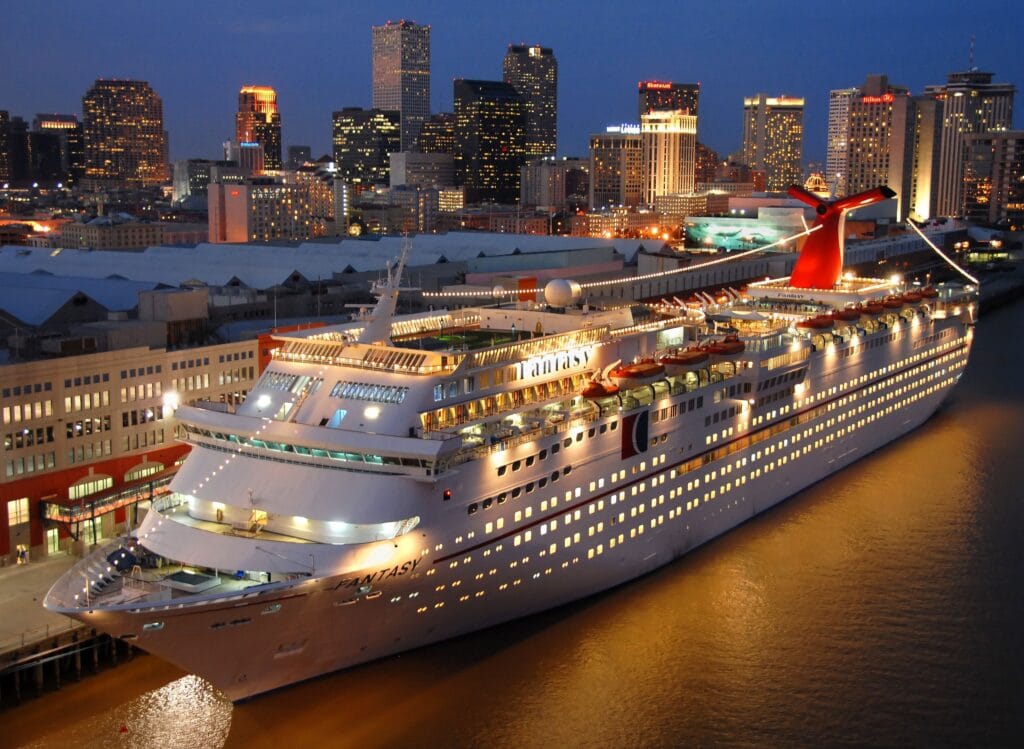
Most people who cruise are on a mainstream cruise line tier. We’re talking Carnival, Royal Caribbean, Norwegian, and MSC. These ships carry two thousand to six thousand passengers. They’re designed to feel like resort hotels that happen to float. Family-friendly. Activity-packed. Relatively affordable.
I’ve sailed Carnival multiple times. The ships are clean. The staff is friendly. Nobody’s trying to rip you off or make you miserable. The buffet works. The main dining room puts out solid food for thousands of people every single night, which is actually harder than it sounds. The entertainment programming keeps people happy. I’ve watched families create memories on Carnival that they still talk about years later.
What Carnival does well is understand exactly who they’re targeting and deliver that. If you want to cruise without breaking the bank, if you want activities and the energy of lots of people around you, if you want it to feel like a floating party sometimes, Carnival succeeds at that. Their military rates are competitive, and they recognize active duty, retired, and veterans with two or more years of service. The discount applies and it’s real.
Royal Caribbean feels different. They prioritize innovation. Their ships are newer concepts with features you don’t see elsewhere. Rock climbing walls, surfing pools, zip lines, robot bartenders, entire neighborhoods of the ship designed around themes. If you’re the kind of person who gets excited about trying new things and wants constant novelty, Royal Caribbean is positioned perfectly for that. The energy on their ships is different than Carnival’s. They’re busier, more high-tech, very family focused. It’s not better or worse. It’s what they’re selling and they sell it well.
Norwegian is where I had that penthouse experience. What Norwegian does is give you choices about how you structure your day. You don’t have to eat at assigned seating if you don’t want to. You don’t have to dress formally if that’s not your style. You can go to specialty restaurants or stick with the main dining room. The ship feels less regimented than some competitors. Some people find that freedom amazing. Others find it creates too many decisions when they just want to relax.
The military benefits on Norwegian are the strongest you’ll find in mainstream. They offer a flat ten percent discount for active duty, retired, and veterans. That stacks with their Free at Sea promotion, which means you’re getting ten percent off plus your choice of drink package, specialty dining credits, Wi-Fi, or shore excursion credits. I’ve booked military families who saved thousands by combining these offers. When I compare what Norwegian does for military passengers versus what other lines do, Norwegian takes it seriously. Not just as a discount, but as recognition.
MSC brings something different to mainstream. European-owned and operated, they feel more formal in some ways. The vibe is more refined than Carnival or Royal without crossing into premium territory. They have strong itineraries for European and Mediterranean sailing. If you’ve cruised European lines before, you’ll feel at home. If you haven’t, the formality might feel slightly foreign compared to American mainstream lines. They offer military rates on select sailings, though availability varies more than other lines.
Mainstream lines make sense if you want maximum activity, family-friendly atmosphere, lower base prices, and don’t mind making spending decisions as you go. The trade-off is crowds during popular times, limited quiet spaces, and knowing you’ll spend money on top of the base fare.
Cruise Line Tier 2 — Disney Cruise Line: Premium Service, Family Soul
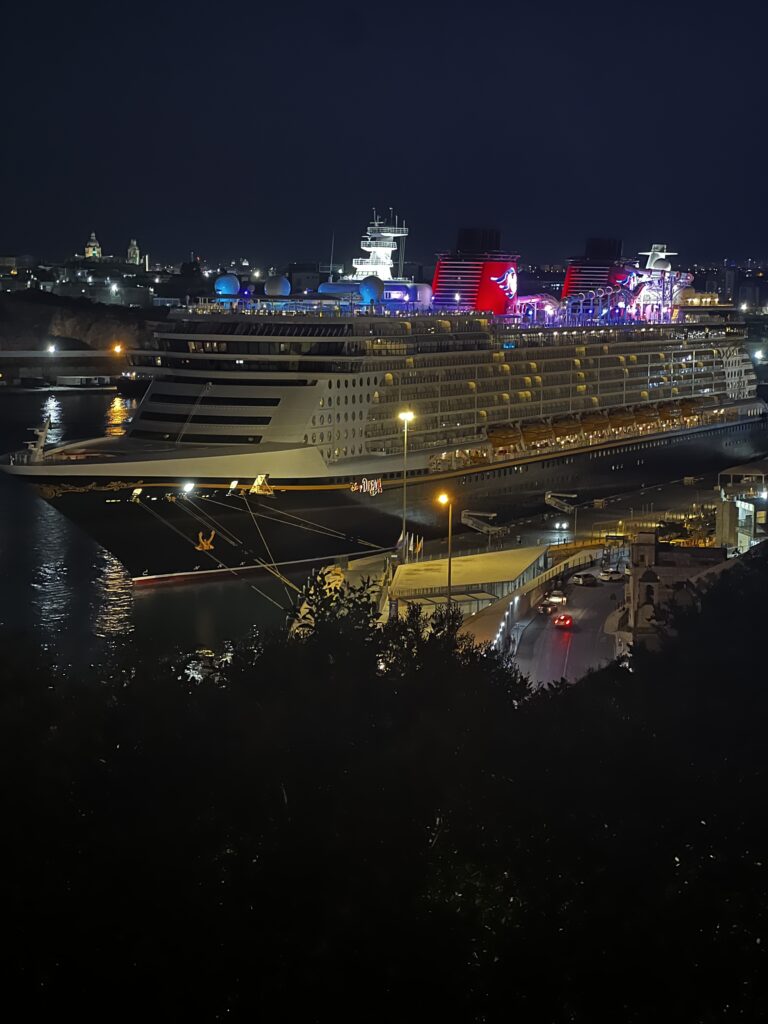
Then there’s Disney. Disney sits in an interesting space among cruise line tiers because it’s not quite mainstream and not quite premium, but it borrows heavily from both.
Disney ships carry around four thousand passengers, which puts them squarely between mainstream and premium sizes. The atmosphere is family-first in a way that even Royal Caribbean isn’t. Disney families are investing in the brand as much as the cruise. They’re bringing three generations sometimes. The ship feels designed for that reality.
What’s different about Disney isn’t just what they include. It’s how they execute the details. I’ve sailed both the Fantasy in the Caribbean and the Dream in the Mediterranean, and what struck me was how Disney approaches problems. When my family missed an excursion because of a disembarkation issue, the Concierge Lounge didn’t just say “tough luck.” They walked us through getting the paperwork completed and rebooked us on a similar excursion without additional charge. That level of service recovery matters, especially when you’re traveling with family and things go sideways. Which they do.
The Concierge upgrade is worth the premium if you’re that kind of traveler. Yes, it costs more than mainstream base pricing. But you get access to the Concierge Lounge where complimentary cocktails and appetizers run from five to eight-thirty every evening. You get a private sun deck. On a ship with four thousand people, finding an actual chair by the pool is a gamble. The Concierge deck on Deck 13 of the Fantasy was quiet, had luxury loungers and cooling misters, and a hot tub that was actually hot. That matters more than it sounds when you’re traveling with family and you just need thirty minutes of quiet.
The Mediterranean sailing taught me something else about Disney. That trip wasn’t a relaxing float through ports of call. Geopolitical issues rerouted us from Ephesus to Santorini. Santorini is breathtaking but logistically intense. Cable car lines ran over an hour. Having booked a Disney excursion, we got routed to a different port with bus transfers that bypassed the crowds entirely. I watched thousands of other tourists sweating in those lines while I was already headed to the caldera boat tour. You pay for that convenience, and on Disney, it actually works.
Disney’s strength is that they understand what families want and deliver it consistently. The service anticipates needs. Servers remember drink orders from the first night. Desserts you mention in passing show up at your table later. Castaway Cay, their private island in the Bahamas, is designed exclusively for Disney passengers. Snorkeling, barbecue, adults-only areas, kids-only activities. Everything is thought through.
The economics are worth understanding. Disney pricing is significantly higher than mainstream. You’re paying a premium for the brand and the family-specific experience. It’s not mainstream with Disney characters painted on it. It’s fundamentally designed around family travel. If you’ve sailed mainstream and want something with more refined service and structure, Disney bridges that gap without requiring you to give up family-friendly atmosphere or accept formal dining expectations.
Disney doesn’t offer the same depth of military discounts as Norwegian, though they do release military rates on select sailings typically thirty to sixty days before departure. These can bring Disney pricing closer to premium cruise costs, which changes the value equation significantly. If you can book on military rates, Disney becomes more competitive.
Disney makes sense if you’re traveling with family and the Disney experience matters to you. You’re paying for consistency, problem-solving, and an atmosphere designed specifically for multigenerational travel. You get more refinement than mainstream without the formality of premium lines. The private spaces actually feel private. The service feels personal.
Cruise Line Tier 3 — Premium Lines: The Refined Step Up
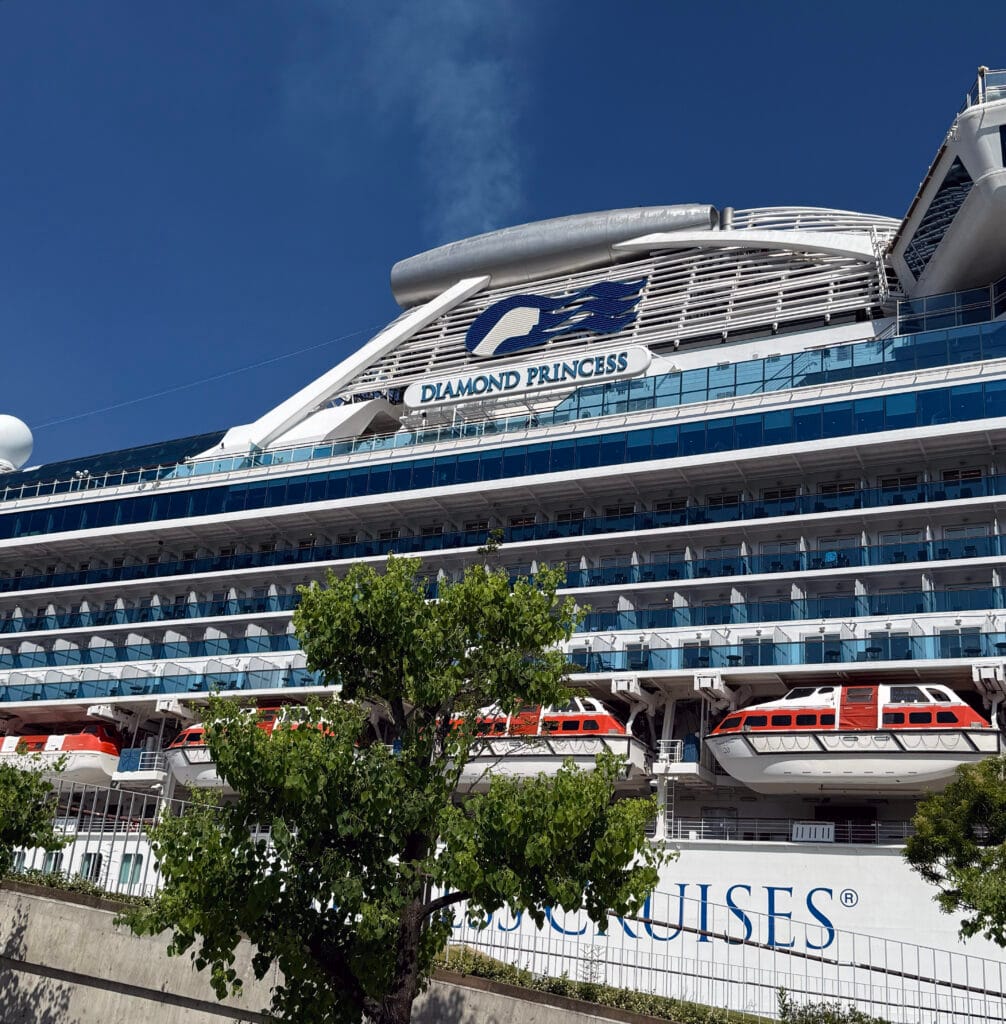
Celebrity, Princess, Holland America, Oceania, and Virgin Voyages occupy the space between mainstream and luxury cruise line tiers. Smaller ships than the mega-ships, fewer people onboard, a shift in atmosphere you notice the moment you board. Still plenty of entertainment and dining options, but the energy is noticeably calmer. More couples, fewer kids under ten. Less yelling, more sophisticated dining.
I sailed Celebrity Silhouette and spent my first day quietly content. The energy is less frenetic and more relaxing than Carnival, Norwegian, or Royal Caribbean. The ship was designed so you didn’t feel overwhelmed by choices. You could engage with activities or just enjoy nothing. Both felt equally valid. The dining experience elevated noticeably compared to mainstream. The service had more attention to detail. The crowd felt older and more refined.
Celebrity’s strength is in design and food. Their ships are beautiful in a way that matters. Their menus are thoughtful. If you appreciate that kind of attention to detail, you notice and enjoy it. If you don’t think about those things, you might not see the difference worth paying extra for.
Princess brings technology and tradition together through Medallion Class. You get a small disc that becomes your key, your room charge, and your drink order. It sounds gimmicky until you’re at the pool and order a drink, then it finds you. The technology works and most people enjoy it. The military benefit is up to a two-hundred-fifty-dollar onboard credit, depending on cruise length, which is solid value if you know how to maximize it. Use it for specialty dining, Spa services, or drinks and the value is real.
Holland America skews older, which isn’t a criticism, it’s just accurate. The pace is more relaxed. Formal nights are more formal here. If you want to dress up for dinner and sit down for a long meal with cloth napkins and multiple courses, Holland America takes that seriously. The atmosphere is elegant without pretension. If that appeals to you, Holland America is wonderful. If it sounds stuffy, you’d probably be happier elsewhere.
Oceania occupies an interesting space in premium. They’re smaller than Celebrity or Princess—ships carry around seven hundred to thirty-two hundred passengers depending on the vessel—but they punch above their weight in terms of what’s included and what they emphasize.
What sets Oceania apart is their culinary focus. They partner with world-renowned chefs to design menus, and it shows. Every night is thoughtfully prepared, not just competent. If you’re someone who thinks about food on vacation, you’ll notice immediately. The wine list is curated, and wine at dinner is included in most fares. That’s unusual at this price point.
Their itineraries lean heavily toward destination immersion. They call at smaller ports that bigger ships can’t access. You’re not rushing from ship to shore and back. The pace is built around actually experiencing where you’re going. Clients consistently report that Oceania feels more like a private club than a cruise ship, which is exactly what they’re going for.
The atmosphere is sophisticated but not stuffy. Formal nights exist but aren’t enforced in the way Holland America enforces them. You dress nicely because you want to, not because you have to. The crowd skews older and more affluent, which creates a naturally quieter vibe.
Oceania makes sense if you’ve cruised premium lines and want something that feels more curated and destination-focused without stepping into full luxury pricing. The food matters. The ports matter. The experience is built around those things, not around onboard activities and nightlife.
Virgin Voyages is an outlier because there are no kids. Ever. It’s adults only, the vibe is deliberately edgy, and they include all restaurants which is unusual at this price point. You either get the concept, or you don’t. There’s not much middle ground.
Premium makes sense if you’ve sailed mainstream and want something more refined without stepping all the way into luxury pricing. Service gets noticeably better. Dining quality improves. The crowd is smaller and generally quieter. Military benefits exist but aren’t as strong as Norwegian’s.
Cruise Line Tier 4 — Luxury Lines: Where Destination Becomes Central
This is where I have to shift how I talk about things, because I’m not personally sailing this cruise line tier yet. But I book people onto luxury lines regularly, and I listen carefully to what they experience.
Luxury lines emphasize smaller ships and destination immersion. Viking Ocean carries fewer than a thousand passengers and focuses on meaningful time in ports. You’re not rushing from the ship to see the highlights and rushing back. The experience is built around where you’re going, not what’s on the ship.
What my clients consistently report from luxury lines is this: they see fewer places but they see them more thoroughly. They spend afternoons exploring instead of racing against ship departure times. They develop relationships with fellow passengers because the ship isn’t massive. They feel known by staff because the crew-to-passenger ratios are generous.
The inclusions change too. Most specialty dining is included, though there are often premium restaurants with upcharges. Shore excursions are included or significantly discounted. Your drinks are included or available at reasonable prices. You’re not making constant decisions about spending. The mental rest that provides matters to people.
Luxury appeals to travelers who’ve done mainstream and want something different. You’re not paying for flashier amenities. You’re paying for space, service, and the ability to go slower. Some people find that worth the premium. Others feel they got everything they needed from mainstream and don’t see the value add.
Cruise Line Tier 5 — Ultra-Luxury: A Different Level Entirely
At the ultra-luxury cruise line tier, everything changes. Explora, Silversea and Seabourn operate at the absolute pinnacle of the cruise industry. This cruise line tier represents all-inclusive sophistication. All suites. All included. Butler service in every suite. Crew-to-passenger ratios approaching one-to-one or better. Ships carrying fewer than eight hundred passengers, often much smaller.
I haven’t personally sailed these lines yet, but I book them regularly for clients, and the stories I hear when those clients return are consistent and compelling. People talk about being genuinely pampered in ways they didn’t expect. They talk about the butler knowing they preferred coffee at seven in the morning without having to ask. They talk about feeling like the ship was somehow built just for them.
Explora Journeys is the newest player at the ultra-luxury level, and they’re rewriting what all-inclusive means in the luxury cruise space.
Explora operates smaller ships—around nine hundred passengers—and positions as a “luxury expedition” concept. What that means in practice is that everything is included from the moment you step onboard, and the focus is on discovery and immersion rather than onboard spectacle. All suites. All restaurants. All drinks. Shore excursions. Gratuities. Wi-Fi. Onboard spending is genuinely optional in a way it’s not on other lines, even other luxury lines.
What I’m hearing from those who’ve sailed Explora is that the ship feels thoughtfully designed around actual relaxation. The suites are spacious and comfortable. The restaurants rotate so you’re experiencing different cuisines and atmospheres each night, but the pacing never feels rushed. The shore excursion program emphasizes meaningful time in ports—not hit-the-highlights-fast, but slow exploration led by local experts.
The design aesthetic is modern and minimalist, which appeals to travelers who find traditional luxury too formal. It’s luxury without pretense. Dress codes are relaxed. The atmosphere is more exploratory and casual than Silversea or Seabourn, which skew more formal.
Explora attracts a different kind of ultra-luxury traveler. Not necessarily the formal-dinner-every-night crowd. More the “I want everything decided and included, but I want the vibe to feel like discovery, not performance” traveler. They’re newer, so they don’t have the decades of reputation that Silversea and Seabourn do, but what clients report is compelling: feeling genuinely taken care of without feeling like they’re being managed.
The economics are competitive with the other ultra-luxury lines. You’re paying premium prices, but everything is included. If you want true all-inclusive luxury with a more relaxed, exploratory vibe than traditional ultra-luxury, Explora is positioning themselves as that alternative.
Silversea positions as more formal. Dress codes are stricter. The atmosphere is more refined in a traditional sense. Seabourn leans slightly more casual while maintaining luxury. Both offer true all-inclusive pricing where additional spending is genuinely optional, not just marketed that way.
The question people ask is whether ultra-luxury is worth it, and the honest answer is it depends entirely on what you value. If you hate budgeting on vacation, if you want to feel genuinely pampered, if the idea of butler service and everything being decided for you sounds like relief rather than limitation, then yes, it’s probably worth it. If you’d spend the entire cruise wondering if you were getting your money’s worth, then probably not.
The economics are deceptive because the base fare is so much higher. But when you add everything up on a mainstream cruise, drinks, specialty dining, excursions, and gratuities, the gap narrows considerably. You might spend twenty-six hundred on mainstream once you add everything, and six thousand on ultra-luxury, all-inclusive. Is the extra thirty-two hundred for butler service and genuine all-inclusiveness worth it? That’s your call based on your vacation philosophy.
How to Decide: The Right Line for You
You have information about five different cruise line tiers now. How do you use this information to choose which cruise line tier, and then which line within that tier, is right for you?
Start with honest questions about yourself as a vacationer that point you toward your ideal cruise line tier:
- For the Mainstream Cruise Line Tier: Do you want maximum activity, family energy, and lower base prices? Don’t mind making spending decisions as you go?
- For the Disney Cruise Line Tier: Are you traveling with family and does the Disney experience matter?
- For the Premium Cruise Tier: Have you cruised mainstream and want more refinement without luxury pricing?
- For the Luxury Cruise Tier: Are you seeking destination immersion and fewer people?
- For the Ultra-Luxury Cruise Tier: Do you value all-inclusiveness and butler service over budget optimization?
How important are military benefits to your decision? That changes things substantially depending on which line and what cruise line tier you’re considering.
Have you cruised before? If you’re testing cruise vacations for the first time, mainstream makes sense as a baseline. You’ll figure out what you enjoy about cruising. If you’ve cruised and want to try something different, you know enough to make an upgrade decision.
What destinations matter to you? Caribbean cruising is mainstream and premium’s bread and butter. European itineraries might push you toward luxury. Alaska appeals across all tiers but the experience changes dramatically.
Your honest answers point you toward your tier. From there, choosing between lines within that tier becomes easier.
Quick Decision Guide: Which Cruise Line Tier Is Right for You?
| If you want… | Best Cruise Tier |
|---|---|
| The lowest price and lots of activities | Mainstream |
| A cruise designed specifically for families | Disney |
| Better food, fewer crowds, and a calmer atmosphere | Premium |
| Small ships and deeper destination experiences | Luxury |
| Everything included with personalized service | Ultra Luxury |
If you’re still unsure which cruise tier fits your travel style, I’m happy to help you compare options and find the best match.
Quick Summary: Best Cruise Lines by Traveler Type
| Traveler Type | Best Cruise Lines |
|---|---|
| First-time cruisers | Royal Caribbean, Norwegian |
| Families | Disney, Royal Caribbean |
| Couples | Celebrity, Virgin Voyages |
| Luxury travelers | Viking, Silversea, Explora |
| Food lovers | Oceania, Celebrity |
Best Cruise Lines by Travel Style
Choosing the right cruise line is often less about price and more about how you like to travel. Different cruise lines specialize in very different experiences.
Best Cruise Lines for First-Time Cruisers
If you are new to cruising, the best lines are usually mainstream cruise lines with large ships and plenty of activities.
Good options include:
- Royal Caribbean
- Norwegian Cruise Line
- Carnival Cruise Line
These ships offer the widest variety of restaurants, entertainment, and activities, making them a safe starting point for first-time cruisers.
Best Cruise Lines for Families
Families often benefit from cruise lines designed specifically for multi-generational travel.
Top choices include:
- Disney Cruise Line
- Royal Caribbean
- Norwegian Cruise Line
Disney provides the most structured family experience, while Royal Caribbean offers the widest range of activities for kids and teens.
Best Cruise Lines for Couples
Couples often prefer ships with fewer crowds and a calmer atmosphere.
Great options include:
- Celebrity Cruises
- Virgin Voyages
- Princess Cruises
Virgin Voyages is adults-only, while Celebrity and Princess offer refined dining and more relaxed pacing than mainstream ships.
Best Cruise Lines for Luxury Travelers
Travelers seeking a more intimate and all-inclusive experience typically choose luxury cruise lines.
Top options include:
- Viking Ocean
- Silversea
- Seabourn
- Explora Journeys
These ships carry fewer passengers and focus on destination immersion, service, and all-inclusive pricing.
Best Cruise Lines for Food Lovers
If dining is a major part of your vacation experience, several cruise lines are known for exceptional cuisine.
Standout options include:
- Oceania Cruises
- Celebrity Cruises
- Explora Journeys
Oceania in particular has built its reputation around culinary excellence.
Military Benefits by Cruise Line Tier
Military benefits vary significantly by cruise tier. Here’s what your military service translates to at each tier level:
Mainstream Cruise Line Tier Military Benefits:
Norwegian offers the strongest program in mainstream. Ten percent off plus Free at Sea stacking means you’re getting substantial value. This is where military families often start because the savings are real and the experience is solid.
Disney Cruise Line Tier Military Benefits:
Disney doesn’t offer the same depth of military discounts as Norwegian. Discounts are only available on select sailings, usually no more than 30 to 60 days ahead of the sail date, but savings can be significant.
Premium Cruise Line Tier Military Benefits:
Princess offers up to two hundred fifty dollars onboard credit, depending on cruise length, which translates to real savings if you use it on specialty dining or drinks. It’s solid but not transformative.
Holland America follows Princess’s approach, though slightly less generous, and Royal Caribbean only provides military rates on select sailings, and availability varies. Sometimes competitive with Norwegian, sometimes not as strong.
Luxury & Ultra-Luxury Cruise Tier Military Benefits:
The luxury and ultra-luxury lines typically don’t offer military-specific rates because their clientele doesn’t prioritize discounts. However, if you watch wave season promotions in January through March, all cruise lines run sales. Sometimes ultra-luxury lines discount twenty to thirty percent, which brings them closer to premium pricing. If you’re military and flexible on timing, booking a luxury line during wave season can make economics very different.
The military angle isn’t just the discount. It’s also recognition. Some lines make military passengers feel genuinely appreciated. Others apply a discount and call it a day. Norwegian does more to make military passengers feel recognized, which matters to people.
The Total Cost Reality Check
I’m going to break down what an actual cruise costs when you add everything up, because base fares are misleading.
Carnival seven-night Caribbean: eight hundred per person base. Add six hundred for drink package, two hundred for a couple specialty dinners, one hundred fifty for excursions you book onboard, three hundred for tips and gratuities, one hundred for Wi-Fi. You’re at roughly twenty-one hundred per person for the week.
Royal Caribbean seven-night: thirteen hundred per person base. Add six hundred for drinks, two hundred for specialty dining, three hundred for excursions, one fifty for Wi-Fi, three hundred for gratuities. You’re at roughly thirty-five hundred per person.
Celebrity seven-night: fourteen hundred per person base. Specialty dining is partially included, so add one hundred for premium restaurants, four hundred for drinks, three hundred for excursions, one fifty for Wi-Fi, three hundred for gratuities. You’re at roughly thirty-five hundred per person.
Silversea seven-night: ninety-one hundred per person all-in. Everything included. That’s it.
Here’s what jumps out: if you’re a drinker, if you like specialty dining, if you do excursions from the ship, the gap between mainstream and premium narrows tremendously. You might be paying eight hundred base on Carnival but thirty-five hundred actual spend on mainstream, and thirty-five hundred actual spend on Celebrity. The base fares looked completely different, but the reality is similar.
The ultra-luxury option is expensive no matter how you calculate it. But if you hate making spending decisions on vacation, if you want everything decided and included, if the idea of butler service and genuine all-inclusiveness appeals to you, that premium might be the right choice.
A Few Things Worth Clarifying
People talk about cruise lines as if they’re inherently good or bad. They’re not. They’re designed for different people. Carnival isn’t worse than Silversea. They’re different. A family with five kids might have the best vacation of their life on Carnival and feel miserable on Silversea because Silversea doesn’t want five kids.
People say you can’t enjoy mainstream after experiencing luxury. I still have fun on Carnival. Different trips call for different experiences. A quick getaway with friends calls for Carnival energy. An anniversary celebration might call for something more refined.
People say you can’t cruise on a budget. You can. People do it all the time on mainstream lines, bringing their own wine, skipping specialty dining, booking group excursions from the port instead of ship excursions. It requires intention, but it’s absolutely possible.
Military discounts are real and worth paying attention to. A ten percent discount or a two hundred fifty-dollar credit isn’t marketing fluff. That’s actual money.
People sometimes feel intimidated by luxury lines, thinking you need to dress fancy or know the right things to do. Luxury lines want you to relax. You don’t need to perform luxury. You just need to enjoy it.
What This Actually Comes Down To
After eight years of cruising and hundreds of conversations with clients, here’s what I know: the right cruise line is the one where the experience matches what you actually want from vacation.
You know yourself better than any travel agent does. If you’re someone who thrives on constant activity and entertainment, you know that. If you prefer quiet and a slower pace, you know that too. If you get bored easily or if you get overwhelmed easily by constant choices. All of that is real information about what cruise line will make you happy.
This isn’t about objectively best or objectively worst. It’s about match. The best cruise line for you is the one that serves what you’re looking for.
I’m here to help you figure that out. I’ve sailed these lines or booked people onto them. I can answer questions about specific ships, about what the experience is really like, about whether an upgrade makes sense for your particular situation.
If you’re active military or a veteran, I can help you maximize your benefits. If you’re trying to decide between tiers or between specific lines, I can help with that too. That’s what I do at Mouse One Travel.
And if you want more detailed information on specific comparisons, how Norwegian’s military program stacks up, whether you should upgrade from mainstream to premium, what my clients report from luxury sailings, how families should think about Carnival versus Royal Caribbean, or how Princess’s military benefits work, I’m creating deeper guides on all of those coming out over the next few months.
For now, you know what you’re actually comparing. You understand what drives those price differences. You know what military benefits are available. You can make an informed decision about which cruise line deserves your vacation dollars.
The best cruise line is the one that makes sense for you. Everything else is just details.
Frequently Asked Questions
What are cruise line tiers?
Cruise line tiers categorize cruise lines by price, ship size, and service level. The five main tiers are mainstream, family premium, premium, luxury, and ultra-luxury.
What cruise lines are considered luxury?
Luxury cruise lines include Silversea, Seabourn, Viking Ocean, and Explora Journeys.
Is Disney a premium cruise line?
Disney Cruise Line sits between mainstream and premium. It combines family-focused entertainment with higher service levels and pricing.
Which cruise line tier is best for first-time cruisers?
First-time cruisers typically do well starting with mainstream lines like Carnival, Royal Caribbean, or Norwegian. Here’s why:
* Most activity options and the largest selection of onboard entertainment
* Most approachable pricing with flexible add-ons
* Largest ships so you can experience what cruising feels like at scale
You’ll quickly discover whether you prefer constant entertainment or quieter spaces, formal dining or casual options. Once you’ve cruised mainstream, you’ll know whether you want to upgrade to premium or luxury on your next sailing. Starting mainstream gives you a baseline for comparison.
Carnival is the budget leader for family fun. Royal Caribbean appeals to those who want innovation and activities like rock climbing and zip-lining. Norwegian emphasizes flexibility with no assigned dining times and no formal dress requirements.
What’s the difference between mainstream, premium, and luxury cruise line tiers?
The differences come down to three things: ship size, what’s included, and atmosphere.
Mainstream lines like Carnival, Royal Caribbean, and Norwegian carry two thousand to six thousand passengers and focus on activities and family-friendly entertainment. Base fares are lower, but drinks, specialty dining, and excursions cost extra. Premium lines like Celebrity, Oceania, Virgin Voyages, and Princess have smaller ships with a calmer atmosphere and better dining, though you’ll still pay for extras. Luxury lines like Viking Ocean have fewer than a thousand passengers and include most dining and excursions. Ultra-luxury lines like Explora Journeys, Silversea and Seabourn include everything: butler service, all drinks, shore excursions, and gratuities. The higher the tier, the more that’s included and the smaller the crowd.
The reality: On mainstream lines, you’re making constant spending decisions. On premium lines, the experience is more curated. On luxury and ultra-luxury lines, everything is decided for you—mental rest included.
Which cruise line offers the best military discounts in 2026?
Norwegian Cruise Line offers the strongest military program in the cruise industry:
* 10% discount for active duty, retired, and veteran service members
* Stacks with Free at Sea promotion, meaning you also get your choice of:
– Drink package, specialty dining credits, Wi-Fi, or shore excursion credits
* This combination delivers substantial real-world savings.
Pro tip: If you’re military and flexible on timing, booking luxury or ultra-luxury lines during wave season (January–March) can significantly reduce prices.
How much does a cruise really cost once you add everything up?
Base fares are misleading because they don’t include everything you’ll actually spend. A seven-night Carnival Caribbean cruise might show eight hundred dollars per person base fare, but add six hundred for drinks, two hundred for specialty dining, one hundred fifty for excursions, three hundred for gratuities, and one hundred for Wi-Fi, and you’re actually spending around twenty-one hundred per person. A Celebrity cruise at fourteen hundred base ends up around thirty-five hundred per person with extras. The math changes at ultra-luxury: Silversea’s ninety-one hundred per person fare is truly all-inclusive with no additional spending required. If you drink, dine at specialty restaurants, and book ship excursions, the gap between mainstream and premium pricing narrows significantly once you calculate total spend.
Is upgrading from mainstream to premium cruise lines worth it?
Whether the upgrade is worth it depends on what you value:
You’ll enjoy the upgrade if:
* You find mainstream ships too crowded or too loud
* You appreciate thoughtful design and better food quality
* You want a calmer atmosphere with fewer kids under ten
* You prefer one quiet afternoon over constant activities
You might not see the value if:
* You love the energy and activities of mainstream lines
* You don’t think much about food quality or atmosphere
* You prefer saving money over refinement
* Constant entertainment matters more than peace and quiet
Real test: If you already spend heavily on specialty dining and drinks on mainstream ships, your total cost might be similar to premium anyway. The premium upgrade provides relief from crowds and noise, which matters more than it sounds.
What’s included on Disney Cruise Line versus other cruise lines?
Disney Cruise Line includes:
* Accommodations, main dining, rotational dining (servers follow you between
restaurants)
* Entertainment, pools, kids’ programs
* Soft drinks at meals
* Castaway Cay (private island) with activities for all ages
Disney does NOT include:
* Alcohol
* Specialty adult-only restaurants (Palo, Remy)
* Spa services
* Most shore excursions
Concierge Level upgrade adds:
* Private lounge with complimentary cocktails and appetizers (5–8:30 PM daily)
* Private sun deck with lounge chairs and cooling misters
* Priority booking for excursions
How Disney compares:
* Costs more than mainstream but delivers more refined service and atmosphere
* No formal dress codes (unlike Holland America or traditional luxury lines)
* Service quality is exceptional staff remember preferences, anticipate needs
* Designed specifically for multigenerational travel everything is thought through
Disney works best if you’re traveling with family and the Disney experience matters to you.
Are luxury cruises actually worth the higher price?
Luxury cruises are worth the price if you value what they provide:
Luxury and ultra-luxury include:
* Smaller ships with fewer passengers (under 1,000 total)
* Higher crew-to-passenger ratios (better service, more personalized attention)
* All-inclusive pricing (no constant spending decisions = mental rest)
* Destination-focused itineraries (access to smaller ports big ships can’t reach)
* Silversea and Seabourn-level ultra-luxury includes butler service in every suite
What clients consistently report:
* Feeling genuinely pampered and known by staff
* No anxiety about spending (everything is included)
* Meaningful time in ports instead of rushed excursions
* Freedom to relax or explore without pressure
The economics:
When you add everything you’d spend on a mainstream cruise (drinks, specialty dining, excursions, gratuities), the gap narrows considerably. You might spend $3,500 total on mainstream but $9,100 on ultra-luxury, but you’re getting true all-inclusiveness and butler service on Silversea and Seabourn. Explora Journeys does not include traditional butler service in every suite. Instead, they offer a dedicated Hospitality Host for each suite, who provides personalized service similar to butler service, such as arranging dining and excursions. However, butler service is available in select suite categories, including Ocean Grand Terrace Suites, Ocean Penthouses, and Ocean Residences, which may offer additional perks like priority reservations and private butler services.
Luxury is worth it if:
* You hate budgeting on vacation
* You want everything decided for you
* The idea of butler service and genuine all-inclusiveness appeals to you
Luxury is probably not worth it if:
* You’d spend the entire cruise questioning whether you’re getting your money’s worth
* You enjoy the freedom of making spending decisions
* You get overwhelmed by “too much” pampering
What’s the best time to book a cruise for the lowest price?
Wave Season (January through March) offers the best promotional pricing:
* Cruise lines release their biggest sales, onboard credits, and upgrade offers
* Booking during wave season for sailings later that year typically gets you the best
combination of price and cabin selection
* Cabin selection is maximized when booking 12 months or more in advance
Last-minute deals:
* Exist but are unpredictable
* May not include your preferred cabin type or itinerary
* Generally less reliable than wave season pricing
For military families:
* Norwegian’s 10% discount + Free at Sea perks stack with wave season pricing
* January through March is the optimal booking window for maximum savings
If you’re considering a cruise, now is the best time of year to plan. Reach out to Mouse One Travel to get started today.
What’s the difference between Carnival, Royal Caribbean, and Norwegian?
All three are mainstream lines, but each has a distinct personality. Carnival is the budget leader and focuses on fun, casual atmosphere. Ships feel like floating parties with activities for all ages. Royal Caribbean prioritizes innovation with features like rock climbing walls, surf simulators, and Broadway shows. Their ships are high-tech and constantly busy. Norwegian emphasizes freedom and flexibility. No assigned dining times, no formal dress requirements, and multiple specialty restaurant options. Norwegian’s suite experience rivals premium lines at mainstream pricing. All three deliver solid family vacations, but the experience and pricing philosophy differ.
Key difference for military: Norwegian’s stackable discount and recognition program is significantly stronger than competitors.
How do I choose the right cruise line for my vacation style?
Start with honest questions about yourself:
* Do you want maximum activity and family energy? → Mainstream (Carnival, Royal
Caribbean, Norwegian)
* Are you traveling with family and does the Disney experience matter? → Disney
Cruise Line
* Have you cruised mainstream and want more refinement? → Premium (Celebrity,
Princess, Holland America, Oceania)
* Are you seeking destination immersion and fewer people? → Luxury (Viking Ocean,
Oceania)
* Do you value all-inclusiveness and butler service over budget? → Ultra-Luxury
(Silversea, Seabourn, Explora Journeys)
Additional questions to consider:
* How important are military benefits to your decision? (This changes things
substantially)
* Have you cruised before? (First-timers should start mainstream)
* What destinations matter to you? (Caribbean, Europe, Alaska, Asia—availability varies
by tier)
* Do you prefer quiet or constant activity? (Affects tier choice significantly)
Your honest answers point you toward your ideal tier. From there, choosing between specific lines becomes easier.
What’s the difference between Oceania and other premium lines?
Oceania Cruises brings culinary and destination focus to the premium tier.
Best for: Premium travelers who care deeply about food, want smaller ports, and prefer a more relaxed (but still elegant) atmosphere.
What should I know about newer ultra-luxury lines like Explora Journeys?
Explora Journeys is the newest all-inclusive luxury player:
* True all-inclusive: Suites, all restaurants, all drinks, shore excursions, gratuities, Wi-Fi
included
* Smaller ships: ~900 passengers (intimate experience)
* Modern design aesthetic: Minimalist luxury without formality
* Exploratory vibe: Discovery-focused rather than performance-focused
* Relaxed dress codes: Unlike traditional ultra-luxury lines (Silversea, Seabourn)
Best for: Travelers who want all-inclusive luxury with a more casual, exploratory feel than traditional ultra-luxury lines.
Compared to Silversea and Seabourn: Explora is newer (less decades-long reputation) but offers a less formal atmosphere. Silversea and Seabourn are more traditional luxury; Explora is ultra-luxury reimagined for modern travelers.