A Multigenerational Cruise on Oasis of the Seas
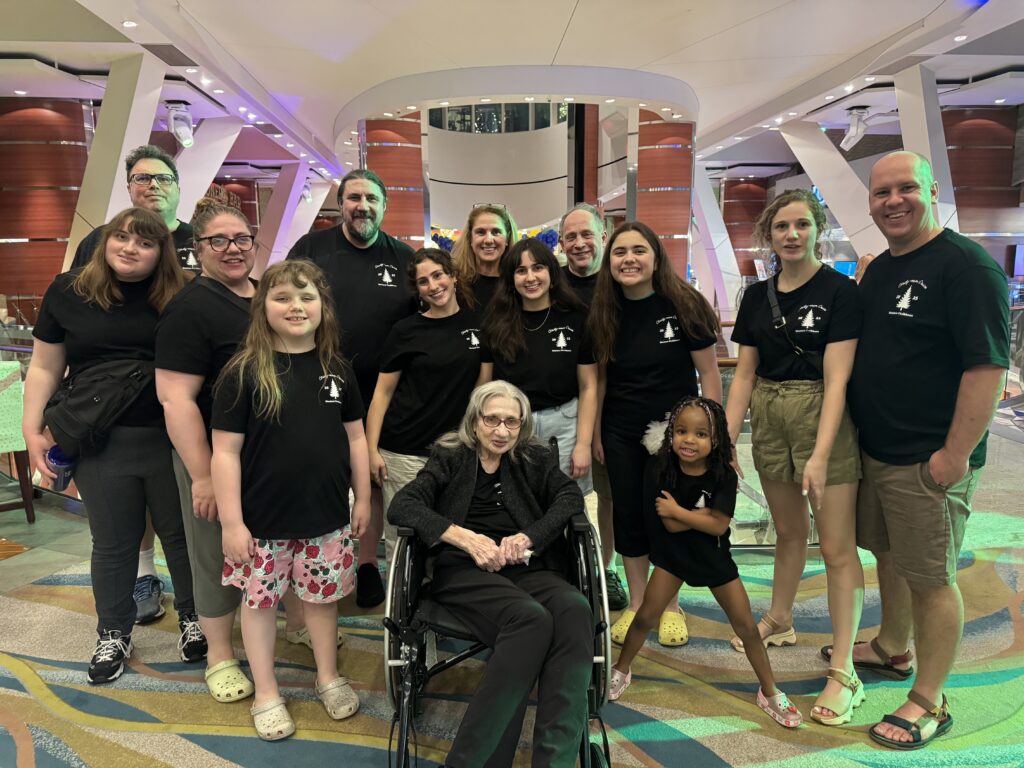
Coordinating a Christmas cruise for 14 family members across three generations is exactly the kind of logistical challenge that reveals whether a ship is designed for real families or just marketed to them. Our party ranged from my granddaughter at four years old, through my adult children (early 20s through early 30s), my wife and me in our late fifties, and my mother-in-law at 85. The group included my brother-in-laws, guests with mobility needs, and teenagers. We navigated chilly rain on the first sea days, thundershowers in Cozumel, a perfect Christmas Day at our private island sanctuary, and the kind of exhaustion that only comes from keeping vastly different ages and needs happy simultaneously. By December 27th, when we disembarked in Fort Lauderdale, the initial skepticism about whether a mega-ship could genuinely serve a group this complicated had transformed into something more meaningful: an appreciation for how thoughtful design and intentional planning can make multigenerational travel not just possible, but genuinely enjoyable.
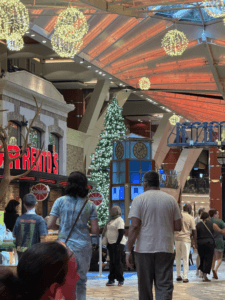
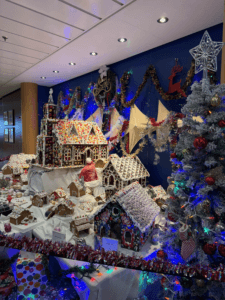
Christmas at Sea: Why Oasis of the Seas Works shares my take on what worked, what didn’t, and why a mega-ship isn’t automatically the enemy of family reunion travel.
 |  |  |
The Planning Stage: Booking as Strategy
Before we even stepped aboard, the planning phase shaped everything that followed. Nearly a year before sailing, I created a group booking with multiple family units. Royal Caribbean’s group program offers distinct financial benefits that matter more than most travelers realize: onboard credits, promotional discounts applied automatically, and pricing advantages that emerge at certain group thresholds. While two families eventually had to withdraw from our original booking, the remaining 14 guests still received some group benefits. Even though we didn’t reach the full threshold for all group perks (which require eight cabins and 16 guests for maximum benefits), we received $50 in onboard credit per cabin.
That credit might sound modest, but it translated into funding beverages, specialty services, or port excursions that would have otherwise come out-of-pocket. More importantly, understanding the group booking structure meant we qualified for individual promotional packages that ranged from $225 to $2,320 per cabin in savings through BOGO discounts and promotional rates applied during group booking.
Beyond the financial strategy, I monitored Royal Caribbean’s dynamic pricing for add-on services. The pricing on Key program, beverage packages, shore excursions, everything really, fluctuates by demand. I caught the Key during a sale window approximately six weeks before departure, which likely saved us $300 to $400 compared to purchasing closer to sailing. This kind of price monitoring is invisible to passengers but meaningful to the bottom line. If you’re planning any family cruise, this awareness matters more than it should. We booked everything with at least a 30% discount from normally posted prices. Royal Price Tracker provides practically real-time pricing on “Royal Caribbean and Celebrity Excursions, Beverage Packages, and Add-ons,” which I used to get prices we were comfortable with.
The Strategic Decision: The Key Program
Before you even board, the biggest decision is whether to invest in The Key. For a group our size with multiple cabins spread across the ship, it was the single best investment. Priority embarkation meant we didn’t spend the first afternoon of our vacation standing in a massive line with 14 people and carry-on bags. The embarkation lunch featured the Chops Grille menu (not standard buffet fare) and was genuinely excellent. But the real game-changer was one specific perk: having our carry-on luggage delivered directly to our staterooms while we ate.
Being able to walk the ship unencumbered, while thousands of other passengers hauled rolling bags, changed the entire first day. The kids could move freely. We could navigate the ship without playing bag Tetris in crowded elevators. By the time we finished lunch, our bags were waiting in our rooms. That single service gave us back hours of our first day and eliminated a major stress point. During the holidays, when the ship is at capacity with impatient passengers, that matters enormously.
The flexible departure on the final morning also proved valuable. We didn’t have to be packed and waiting at a specific time. We could enjoy breakfast, move at our own pace, and clear the cabin when we were ready rather than when the ship demanded it. For a family with young children and a grandmother with mobility needs, that breathing room was worth the cost alone. Some of us were able to head to the airport early to pick up rental cars, while the others waited on board for us to pick them up at the port. For a large, extended family with mobility needs, the Key added useful flexibility.
The Suite That Became Our Headquarters
We booked an Accessible Junior Suite for my mother-in-law, and something unexpected happened: it became the gathering hub for the entire family. Unlike standard cabins where you perform the “sideways shuffle” to get around the bed, this room had the square footage of a Grand Suite without the premium price tag. The bathroom featured a roll-in shower with a fold-down bench and plenty of grab bars, which worked perfectly for her needs. But the real win was the balcony with its ramped threshold, meaning she could roll her wheelchair right out to enjoy the ocean view independently.
What I didn’t anticipate was how often the entire group ended up in that room. My adult children would pop in for a visit, and we almost always met at our room prior to going to dinner or events. Someone would claim a chair to read. The kids would watch the water from the balcony. Because we had space, and because we had an accessible entry point that never made her feel accommodated at rather than genuinely included, the suite naturally became where we congregated. It was the opposite of being sidelined; it was the asset that made everything easier.
Having the extra space changed the entire dynamic of the trip. While some in our group had been skeptical about cruising with so many people, having that suite as a gathering point meant we could easily coordinate and plan our activities. We could have quiet when needed, but also instantly connect with family without having to make logistics work. Those kinds of small design choices, extra square footage, a ramped threshold, thoughtful furniture arrangement, matter more than the brochures suggest.
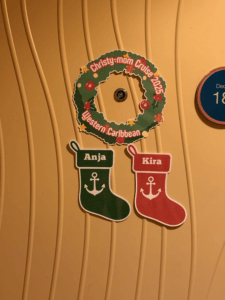
Main Dining Together: The Reunion Anchor
We made an intentional choice: Main Dining Room every night except the last, even though two of our suite categories technically qualified us for the upscale Coastal Kitchen. The whole point of this trip was the reunion. Sitting as a group of 14 in one room, night after night, meant something beyond the food itself. The structured dinner meant knowing where everyone would be and what time, which actually made the chaotic logistics feel manageable.
I know what cruise forums say about Oasis’s dining: “mediocre,” “not worth it on a mega-ship,” “too many people for quality.” We didn’t find that to be true. The New York strip steaks were consistently tender. The seafood, fish of the day, and shrimp options were genuinely good. The service staff quickly learned our family’s food and beverage preferences and adjusted how they interacted with each person, including those who were quiet or uncomfortable chatting with strangers. They anticipated our needs without making a production of it.
The one night we did the buffet was purely practical. Late seating meant everyone could eat on their own schedule without holding back the group. We didn’t try Coastal Kitchen because skipping the main table meant fracturing the reunion. The reunion mattered more than the cuisine upgrade.
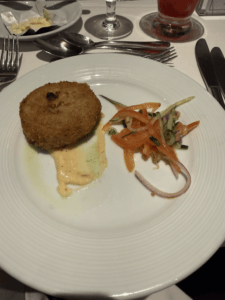
The Holiday Menus: More Than Standard Cruise Fare
Christmas Eve featured a special brunch in the Main Dining Room that elevated beyond typical daily offerings. The seasonal menu emphasized holiday traditions, with cookies, Mimosa’s, elevated eggs benedict, and various other holiday brunch selections, including fresh seafood preparations and an expanded breakfast menu that felt intentional rather than obligatory. The real holiday meals at sea made the week feel special in a way standard menus wouldn’t have captured, and were better than my previous experience on a holiday cruise.
The Christmas Day dinner menu carried the theme further. We chose to dine at the Main Dining Room that evening, and the menu reflected the day itself; the kitchen offered oven-roasted turkey, honey-glazed ham, beef wellington, roasted chicken breast, and a notable seafood risotto for those preferring something lighter. The beef wellington, like all the beef selections during this cruise, was outstanding. The pastry selections included a creme brule, apple blossom à la mode, and a seasonal fruit medley. What surprised me was the attention to the non-traditional options; the menu included spaghetti bolognese and fresh salads, recognizing that not everyone celebrates Christmas with turkey and all the trimmings. That kind of flexibility across the culinary program, combined with the dedicated staff in the Main Dining Room, meant nobody felt like their preferences were an afterthought. The Indian options on the menu were particularly delicious throughout the cruise.
The Thrill Experiences: The Zipline above the Boardwalk
Beyond dining and quiet spaces, Oasis offers physical experiences that appeal to different comfort levels. The Zipline sent us soaring 82 feet across the ship’s Boardwalk at nine decks high. The Ultimate Abyss, a 10-story dry slide from deck 16 down to the Boardwalk, appealed to guests who wanted that kind of sustained adrenaline without committing to the open-air zipline.
For the escape room enthusiasts in the group, the Apollo Mission 18 experience on deck 14 became a repeated conversation point. Two different groups from our party participated at different times; the first group cracked it with just moments to spare due to a ship crew safety drill that interrupted their progress, and the subsequent group reported being on track to tie the fastest solution on this sailing, though not quite accomplishing that in the end. Both groups felt the same sense of accomplishment at the end of the mission. The space-themed puzzle room required actual teamwork and creative problem-solving, not just following a predetermined path. It felt like a genuine challenge rather than a gimmick designed around the ship’s size.
When the Weather Doesn’t Cooperate: Finding the Quiet Spaces
December Caribbean cruising comes with a reality: it rains. We had chilly, gray weather for the first sea day and most of the second. Cozumel greeted us with thundershowers that looked like they meant business. For a moment on day two, I worried that two sea days with iffy weather and one of our three port days potentially compromised would begin wearing on a group this size. Instead, Oasis revealed something I hadn’t fully appreciated: it has real hideaways if you know where to look.
We discovered the Globe & Atlas, an English-style pub tucked on the Royal Promenade. When it wasn’t busy, we took over a corner table to play cards and board games for hours. It had a genuinely good selection of non-alcoholic cocktails, which was perfect for our mixed group. My adult children loved having a space where they could actually talk without competing with deck parties and announcements.
Nearby, the Bionic Bar with its robot bartenders became an oddly mesmerizing hangout for the tech-oriented family members. Watching a mechanical arm muddle a mojito never really gets old, and the non-alcoholic options were thoughtfully extensive. It sounds like a gimmick until you’re watching a teenager and their uncle both genuinely entertained by the same thing.
But the real revelation was the Boardwalk Carousel. My granddaughter fell completely in love with it. It’s a beautiful, hand-carved wooden carousel; not plastic. She rode it a dozen times across the week. On rainy days, when everything else felt sluggish, she had that one place that made her happy. My adult daughter noticed something too: those moments watching her daughter on the carousel became small pockets of actual peace in a week that could have been chaotic. Being able to sit on a bench in the covered area and just watch her be happy, without orchestrating the next activity or managing logistics, mattered more than she’d expected.

Port Experiences: The Private Cabana Strategy
Our stop in Cozumel on December 23rd was wet. Rain and thundershowers threatened to wash out the day. But we had booked two cabanas at Chankanaab National Park; specifically at the Cabana Beach, a private section at the south end of the park accessed through a private gate.
Here’s what I’ve learned about multigenerational travel: weather matters less when you’re not competing for resources. While other cruise passengers dealt with crowds at the main park entrance, we had our own covered space, our own attendant, and direct snorkeling access from the shore. The water was warm enough to be pleasant, and even with overcast skies, the snorkeling was solid. We saw plenty of fish and some of the underwater statues Chankanaab is famous for.
Our attendant anticipated needs before we asked. Fresh towels appeared. Water and juice stayed cold. When someone wanted a late lunch, it was delivered to the cabana within minutes; no queuing, no fuss. For a group this size, that kind of logistics would be a nightmare anywhere else. In a private cabana, it was seamless. Nobody was cranky because nobody was waiting. Several in our group also took advantage of reasonably priced massages.
The practical insight: when weather is iffy, flexibility and a positive attitude matter more than perfect conditions. We didn’t let the rain ruin the vibe; we just enjoyed the covered space and the excellent service until the skies cleared enough to swim. By afternoon, the sun actually came out. We had a perfect Caribbean beach day, just on our own terms.
Christmas Day at CocoCay: The Real Test of the Model
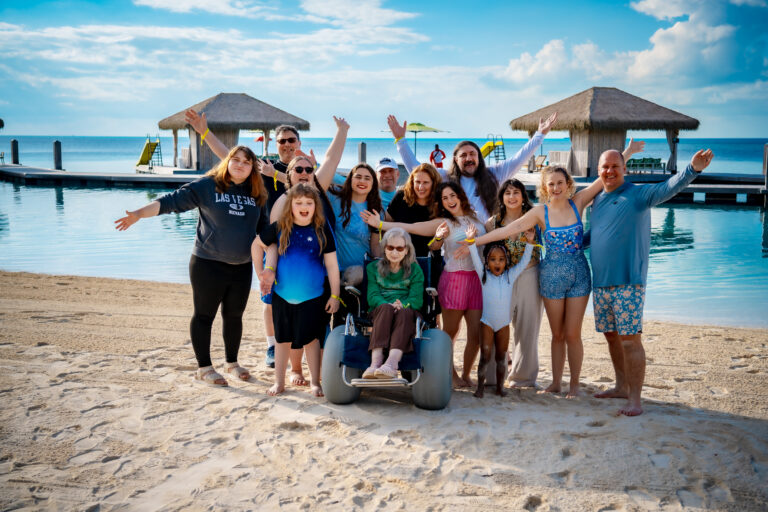
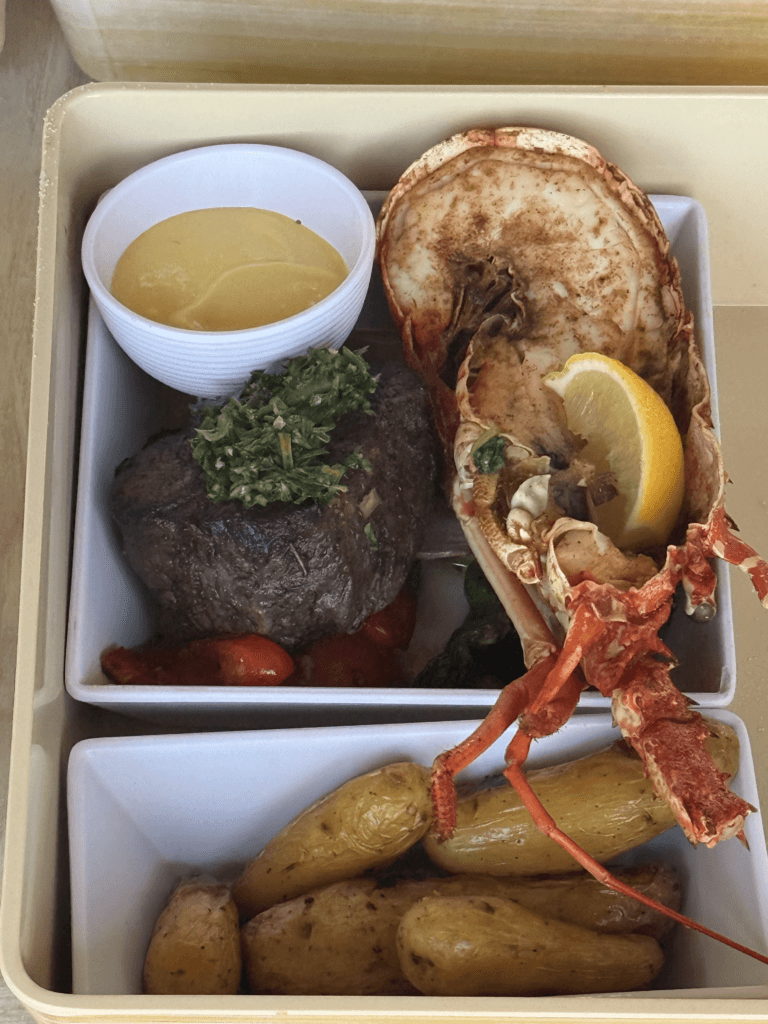
December 25th arrived with perfect weather and the knowledge that Perfect Day at CocoCay was going to be packed with holiday crowds. We had reserved two Coco Beach Club cabanas for the entire group, and it was worth every penny. While the rest of the island buzzed with activity, we had a quiet sanctuary. The service was flawless. The Coco Beach Club menu featured herb-marinated filet mignon, whole lobster, and coconut-crusted lobster on brioche; restaurant-quality food delivered to our cabana without queuing at a buffet or fighting crowds for a table.
What made the biggest difference, though, was the logistics. With 14 people and limited patience for waiting, the cabanas eliminated friction. No one was frustrated about lines. No one was overheating in the sun while waiting for anything. The kids could move at different paces without holding back the group. The grandmother could relax in covered shade without feeling like she was missing out. Everyone had what they needed because someone thinking through group dynamics had anticipated what a day of 14 people in 80-degree heat would feel like and built in the solution.
Those in our group who snorkeled left the cabana area for the island’s best snorkeling, while others played in the shallow lagoon near the cabanas and in the infinity pool. We were glad we snorkeled in the morning before the crowds churned up the sand. We were able to see an abundance of sea life early in the day, but when we returned in the afternoon, there was too much sand in the water to see much of anything.
The cabana day at Coco Cay was the only day of the week where nobody had to compromise or negotiate. Everyone got what they needed without someone else losing something. That doesn’t happen in groups this size. It’s why many families don’t vacation like this.
Nassau and the Royal Beach Club: New Infrastructure for Nassau Cruising
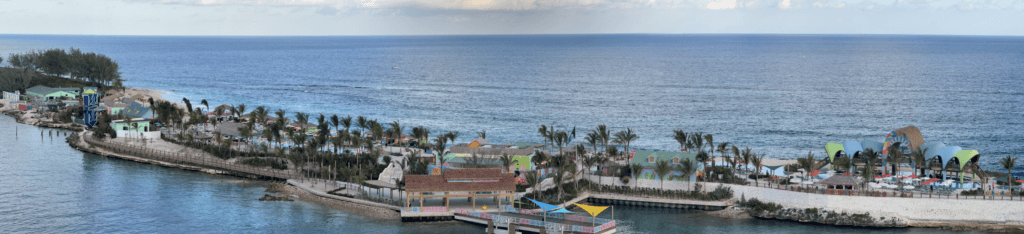
Our final port stop was Nassau on December 26th. From our stateroom balcony, we caught our first glimpse of the newly opened Royal Beach Club Paradise Island; the distinctive architecture of this brand-new all-inclusive beach destination was visible across the water, and we managed a panoramic photo from our cabin.
The Royal Beach Club Paradise Island, which opened in December 2025, represents Royal Caribbean’s strategic investment in Nassau as a port destination. Located on Paradise Island (a 17-acre parcel near the cruise port), the facility features three distinct zones: Family Beach with zero-entry pools and games; Chill Beach with relaxed vibes and white-sand aesthetics; and Party Cove, which features the world’s largest swim-up bar and DJ entertainment. The all-inclusive day pass covers unlimited dining at three Paradise Grill locations, unlimited beverages (alcoholic or non-alcoholic depending on pass type), Wi-Fi, roundtrip water-taxi transportation, and beach amenities including loungers, umbrellas, towels, and lockers.
While we didn’t dock long enough to visit the beach club (it’s a separate day-pass excursion, not included in cruise fare), being able to see it from our balcony gave us perspective on how Nassau is evolving as a cruise destination. The facility offers private cabanas ranging from standard pool cabanas (248 sq. ft.) to the Ultimate Family Cabana (2,000 sq. ft., priced at $9,999.99, which includes day passes for up to 12 people). For future Nassau visits, this represents a genuine alternative to traditional shore excursions.
Our actual Nassau experience involved a snorkeling excursion at Rainbow Reef. The waters were calm and warm; a perfect day for our excited crew with snorkel gear. The reef itself is located between Paradise Island and Nassau. We marveled at colorful tropical fish darting among the corals, but we also noticed something we couldn’t ignore: visible coral bleaching. White patches among the reefs, broken sections of what should have been vibrant structure. It was a sobering reminder that even in a vacation moment, the ocean is experiencing real stress. Scientists have documented widespread bleaching in Caribbean corals, including those in the Bahamas. Seeing it firsthand, feeling the texture of bleached versus healthy coral, was bittersweet. We had a wonderful marine adventure. And we were witnessing evidence of warming oceans. It didn’t ruin the day. It just made us aware of why we need to travel responsibly.
The Honest Take on Drink Packages and Dynamic Pricing
Here’s where I need to be candid about things that bothered me. We purchased the refreshment package for many in the group, and looking back, I don’t think it was worthwhile on Oasis. The soft drink package has a specific problem: the souvenir cups they give you are small. On a ship this big, you finish your drink before you get back to your deck chair. The Freestyle machines are limited and often located in high-traffic areas like Sorrento’s or the Windjammer. The selection was more limited than land-based machines.
The worst part? People start drinking sugary drinks just to feel like they’re “getting their value” out of the package. It’s the sunk-cost fallacy on a cruise ship. My advice: skip the package. Buy drinks individually, or bring a small amount of soda on board with you. You’ll save money and the hassle of hauling that cup everywhere.
On the broader note of pricing: Royal Caribbean’s dynamic pricing strategy applies to everything. As I’ve detailed in my guide to cruise line tiers and what actually drives pricing differences, it’s not enough to just book and forget. You have to monitor your Cruise Planner and watch for price fluctuations. We snagged The Key during a sale window. That timing made a real difference. It’s not fair that you have to game the system. But if you’re aware of it, you can game it strategically. Wave Season (January through March) is when deals happen most frequently, and then Black Friday toward the end of the year.
Why This Trip Actually Worked: The Oasis Design Advantage
By the end of the week, we had navigated 14 people ranging from four to 85 years old across six days at sea and three port stops without anyone losing their mind. The ship could have been chaotic. Instead, it felt surprisingly manageable. Here’s why:
Space matters. Oasis is a mega-ship; 5,494 passengers at capacity. But the design uses scale intelligently. The Boardwalk, Central Park, the Royal Promenade, the different entertainment districts: they’re not cramped. You can split up without losing the group. You can find quiet corners. You can spread out. The ship generally didn’t feel crowded the way smaller, more packed ships had felt on previous cruises.
Flexibility is built in. We dined together most nights. Some people opted for different experiences on the final night. Kids came and went from youth programs. Parents took turns at the spa and Solarium. The ship accommodates that kind of mixing-and-matching without making anyone feel isolated or left behind. When you’re managing 14 people with different needs, that flexibility is everything.
Inclusive accessibility actually works. The accessible junior suite was large, functional, and naturally became our gathering place. The crew was trained to anticipate needs. Services like carry-on luggage delivery and flexible departure times removed logistical friction. I’ve sailed other ships where “accessibility” felt like an afterthought: a narrower hallway, a shower with grab bars and not much else. On Oasis, the suite was genuinely spacious, and the accessibility features felt designed with actual use in mind.
There’s something for every age simultaneously. From the carousel to the escape room to the Broadway show to live music to outdoor deck chairs, there’s something genuinely appealing for a four-year-old, a 12-year-old, a 45-year-old, and an 85-year-old without anyone having to compromise. Some of us spent one afternoon on a zipline and another at cards in a quiet pub. Both felt like vacation. That kind of breadth is rare.
The Entertainment Verdict
The Opal Theater and Cats
I know everyone complains about Cats on Royal Caribbean. “It’s too long,” “it makes no sense,” “why would they perform this on a ship.” But the performers on our sailing were some of the best I have seen at sea. The choreography was tight. The vocals were strong. The energy was professional and sustained for a two-hour show. My adult children, who were skeptical, admitted afterward that the production quality impressed them. For an onboard show, it was genuinely polished.
If you go in expecting a comprehensible plot, you’ll be disappointed. If you go in expecting a spectacle of talent; if you appreciate live performance and the technical achievement of staging a Broadway-quality show on a ship; it’s fantastic. We watched families with teenagers, couples, solo travelers; all of them entertained. The Opal Theater itself is state-of-the-art, seating 1,350 guests with a thrust stage and proscenium extending into the audience space to create an interactive environment. The performers enter from unexpected locations and perform aerial acrobatics that envelope audience members in the experience unfolding around and above them.
Studio B and Hans Christian Andersen: What Folklore Teaches Us About Storytelling
Studio B is where Oasis transforms into something entirely different from the Opal Theater: an ice skating rink that seats 775 guests. The evening ice show, “Frozen in Time,” brings Hans Christian Andersen’s beloved fairy tales to life on ice. The production reimagines “The Snow Queen,” “The Red Shoes,” “The Ugly Duckling,” “The Emperor’s New Clothes,” and “The Little Mermaid” through the choreography and athleticism of Olympic-level international figure skaters.
As someone trained in folklore, I found myself watching this production with particular attention to how Andersen’s stories translated across mediums and centuries. Andersen wrote from genuine emotional experience; his tales emerged from personal struggle, displacement, and longing. The Snow Queen’s icy realm wasn’t just scenery; it represented emotional isolation. The Ugly Duckling’s transformation spoke to resilience. These weren’t stories designed for entertainment alone; they were narratives about the human condition, dressed in fantastical language. What’s remarkable about the ice show is how the choreography honors that emotional core. The skaters don’t just perform tricks; they embody the psychological journey of each tale. The production uses projection mapping, lighting effects, and music to transform Studio B from one emotional landscape to another, mirroring how Andersen’s language itself functioned; moving readers from darkness into transformation and hope.
This level of storytelling sophistication makes the ice show appeal to both children and adults for different reasons. Children experience the spectacle and the familiar characters. Adults recognize the archetypal patterns Andersen embedded into his work; the outsider seeking acceptance, the beloved object of desire, the cost of ambition. That’s why folklore endures across centuries and mediums; the stories address universal human experiences that time and format cannot diminish.
The AquaTheater
The AquaTheater is an entirely distinct venue: an open-air amphitheater-style space seating 600 guests, featuring the largest and deepest diving pool at sea. This is where high-diving, synchronized swimming, and acrobatic performances happen. “Aqua 80,” set diving performances to 1980s music, which was high energy and very entertaining, if a little frightening watching the divers leap from incredible heights. We knew these shows are weather-dependent and frequently rescheduled due to wind or sea conditions, so we attended on the first night, and it was a great way to start our cruise. The AquaTheater shows are among the most popular on the ship and fill up quickly when reservations open.
Comedy Live: The Gap Between Expectation and Reality
The ship’s Comedy Live venue, hosted in the Blaze nightclub on Deck 4, represents a gap between expectation and what actually transpires on a cruise ship’s stage. The adults in our party attended one of the nightly performances; Comedy Live operates as an intimate 18-plus adults-only space with a New York subway station aesthetic, complete with tiled walls and a ceiling map of the Manhattan transit system. The venue books guest comedians who rotate through multiple sailings, with performances scheduled two to three times nightly. Comedy Live fills up quickly despite its small capacity, which suggests the concept appeals to cruisers; the reality, however, often diverges from the appeal of stand-up comedy itself.
Cruise ship comedians, almost by necessity, rely heavily on shock value and broad stereotypes rather than craft and observation. The material tends toward predictable patterns: sexual humor, aging jokes, and stereotypes that punch downward rather than upward. It’s not that humor cannot exist in these spaces; it’s that the ceiling for comedic sophistication seems intentionally lowered. While some passengers find this entertaining, our experience suggested that this particular comedian’s material relied too heavily on subjects and language choices that didn’t align with our sensibilities. If there was a family-friendly stand-up comedy option for multigenerational groups who might want live comedy without the adults-only content, it wasn’t obvious to us in the Cruise Planner.
The Key and Reserved Seating
One advantage of booking The Key that’s worth emphasizing: you gain the ability to make show reservations as part of your pre-cruise planning. The Key’s priority booking window opens before general passengers, allowing you to secure seats in high-demand venues (AquaTheater, Comedy Live, Studio B) before they fill up. For a family group with 14 people, having guaranteed seating for multiple shows eliminates the stress of lining up 15 minutes before showtime or splitting up across different performances. You can coordinate which family members attend which shows, knowing you all have confirmed spots.
What Made This Actually Work
The trip was a success because we were intentional about four things:
We booked strategically at the group level. Understanding the group booking structure meant we qualified for individual promotional packages even though we didn’t reach the maximum threshold for all group perks. The $50 onboard credit per cabin, combined with promotional rates applied at booking, translated into genuine value.
We invested in The Key program strategically. This wasn’t optional; it was the decision that made everything else possible. The embarkation lunch, the luggage delivery, the flexible departure: those conveniences compounded into massive time savings and reduced stress.
We chose the accessible suite strategically. Not just for accessibility itself, but because the extra space became the glue that held the group together emotionally. Having a place where the whole family could gather without being cramped made the vacation actually feel like a reunion instead of surviving logistics.
We invested in experiences that matched our actual group’s needs. Private cabanas, private suites, flexible dining. We didn’t buy the cheapest cruise; we bought the cruise that would work for our actual family with all its complexity.
By the end, we all agreed it was unforgettable. Those who were initially skeptical said they’d never expected to enjoy a cruise this much. All of us felt relaxed, which is rare with 14 people. Oasis of the Seas didn’t work for us despite its size. It worked because of how that size was designed and deployed. Different cruise tiers serve different kinds of travelers, and this cruise excelled at what it was designed to do.
If you’re planning a multigenerational Caribbean cruise, pay attention to group booking benefits even if you don’t hit the largest thresholds. Keep an eye on those dynamic pricing sales for premium services like The Key. Book the accessible suite early if you need it. Don’t be afraid to skip the drink package. And don’t write off mega-ships as family-unfriendly. When they’re designed well and you book strategically, they’re actually one of the best options for complicated group travel. And if you’re looking for some assistance with your next cruise, reach out to Mouse One Travel where we use our experience to help you plan an unforgettable adventure.
Frequently Asked Questions: Multi-Generational Cruising on Oasis of the Seas
Is Oasis of the Seas actually a good choice for families with very young children and elderly guests?
Yes, but with intentional planning. The ship’s scale means abundant quiet spaces, multiple dining options, and activities for every age. The accessible junior suites are genuinely spacious; not afterthoughts. The Main Dining Room allows families to stay together, and services like carry-on luggage delivery eliminate logistical stress that compounds with large groups. The ship works because it doesn’t force everyone into the same experience simultaneously.
What’s the real value of The Key program for a group cruise?
The Key’s primary value isn’t the individual perks; it’s the compounding effect on a group. Priority embarkation with 14 people saves hours. Luggage delivery to staterooms while you eat lunch means you’re not managing bags during your first afternoon. Flexible departure eliminates morning stress. For groups, these conveniences cascade into dramatic time savings. For couples or small families, the value proposition is weaker.
Should we book an accessible suite even if only one family member uses mobility aids?
Yes, if your budget allows. An accessible junior suite costs less than a Grand Suite but offers similar square footage. The extra space becomes a natural gathering point for multi-generational groups, regardless of accessibility needs. In our case, the suite became the family hub precisely because it had room for everyone to exist comfortably without feeling crowded.
Do group bookings still offer value if we don’t reach the minimum threshold for all perks?
Absolutely. Even partial group bookings qualify for individual promotional rates and onboard credits. We received $50 OBC per cabin plus promotional savings ranging from $225 to $2,320 per cabin by booking as a group, even though two families pulled out before sailing. The group structure itself, regardless of final size, unlocks discounts that individual bookings don’t access.
How should we think about specialty dining on a multigenerational cruise?
For large family groups, the Main Dining Room’s value exceeds specialty restaurants. The structured seating means everyone’s in one place at a predictable time; this actually reduces logistics stress for families managing multiple ages and needs. Skip Coastal Kitchen unless you genuinely want to split up. The food quality in the MDR is solid, and the service staff’s familiarity with your group (they see you every night) means better accommodation of dietary needs.
What happens if weather affects our port days?
If you’ve booked excursions through the cruise line and the weather is prohibitive, the cruise line will take care of canceling the reservations and making refunds. If you have planned the excursion on your own, a strategy like private cabanas and beach clubs become essential. We experienced rain in Cozumel; the private cabana meant we had covered space, dedicated service, and no competition for resources. The day was memorable precisely because we weren’t fighting crowds at the main park. If you’re bringing 14 people to a port, budget for private space options.
Is the soft drink package worth purchasing on Oasis?
No. The cups are too small for the ship’s size; you finish before reaching your deck chair. Freestyle machines are limited in selection and location. People end up drinking sugary beverages just to “get value.” Buy drinks individually or bring approved beverages onboard. You’ll save money and eliminate the burden of carrying that cup everywhere.
How do we manage dining for guests with dietary restrictions on a 6-night cruise?
Note dietary needs in your reservation profile months in advance. The Main Dining Room kitchen accommodates gluten-free, vegan, and other restrictions without making it feel burdensome. By night one, they’ll have your preferences ready. The flexibility is better than you’d expect on a mega-ship, especially if you’ve given them advance notice.
What’s the best strategy for booking a large family group?
Book as a group even if it’s smaller than the maximum threshold. Group structures unlock promotional rates and onboard credits that individual bookings don’t access. Monitor dynamic pricing for premium services like The Key; catching sales can save $300-400. Plan your suite mix strategically: one accessible suite for accessibility and gathering space, combined with standard cabins for sleeping quarters.
Are the thrill activities (zipline, Ultimate Abyss, escape room) worth the time investment?
Yes, but pace them appropriately. The zipline and Ultimate Abyss appeal to different comfort levels; not everyone needs to do both. The Apollo Mission 18 escape room is a genuine challenge, not a novelty; two groups from our party participated at different times and both found it rewarding. Build time for these into your daily schedule rather than treating them as add-ons.
What should we expect from the Main Dining Room’s holiday menus?
Holiday menus emphasize tradition (turkey, ham, holiday desserts) but also flexibility. Christmas Eve featured a special brunch with upscale proteins and preparations. Christmas Day offered oven-roasted turkey alongside beef wellington, risotto, and non-traditional options like spaghetti bolognese. The kitchen recognizes that not everyone celebrates Christmas the same way. Dietary accommodations are built into holiday planning, not afterthoughts.
How accessible is Cozumel and Nassau for guests with mobility limitations?
Both ports are manageable with private options booked in advance. Chankanaab’s Cabana Beach is specifically designed for private access (separate gate, no steps, direct water access). Nassau’s new Royal Beach Club Paradise Island offers zero-entry beach areas and cabanas, though it’s a separate booking from your cruise. If mobility is a concern, book private cabanas rather than relying on standard port logistics.
Is dynamic pricing on Royal Caribbean something we need to actively monitor?
Yes. The Key, Wi-Fi, drink packages, and add-on services fluctuate by demand. Booking The Key six weeks before departure rather than two weeks before likely saved us $300-400. Wave Season (January through March) offers predictable discounting. I used Royal Price Tracker to monitor prices on the activities and extras we wanted. Set a Cruise Planner alert and monitor pricing monthly. The effort takes minimal time but yields real savings on a group this size.
What’s the real benefit of a private beach club cabana on a rainy port day?
Security and comfort. In rain, the difference between open beach and covered cabana space is enormous. Our Cozumel cabana had shade, fresh towels, delivered lunch, and a dedicated attendant; meanwhile, the main park’s open areas were flooded with people seeking shelter. For multigenerational groups, private space solves both the weather problem and the crowd management problem simultaneously.
Should we book separate dining experiences or always eat as a full group?
Always offer flexibility, but lead with the full group option. Our group dined together most nights by choice; it created continuity and simplified logistics. But we offered the option to do the buffet late seating one night, recognizing that some family members might want autonomy. The Main Dining Room’s fixed reservation means no searching for a table; you already have one.
How should we approach the Royal Beach Club Paradise Island in Nassau?
It’s a worthwhile future consideration but not essential for a single Nassau visit. The day-pass is an additional expense on top of your cruise fare. The beach club features three distinct zones (Family Beach, Chill Beach, Party Cove) and all-inclusive day passes. If Nassau becomes a repeat port for your family, investing in this experience makes sense. For a one-time visit, Rainbow Reef snorkeling offers authentic Caribbean experience without additional booking complexity.
What’s the single most important decision for a multigenerational family cruise?
Booking The Key if you’re traveling with a large group. Everything else flows from that decision: faster embarkation, luggage delivery, flexible departure. These conveniences compound into massive time savings and reduced stress. For groups, it’s not a luxury; it’s a logistical necessity that pays for itself across your first afternoon.