Our family Princess Japanese Cruise may have ended, but our adventure was just beginning. Instead of flying home when our Princess cruise concluded in Yokohama, we embarked on a post-cruise Japan family travel itinerary by land. Armed with a train and bus tickets and a sense of adventure, we set out to experience Japan’s cities, mountains, and magic on our own schedule. The plan was simple: explore cultural highlights and natural beauty in central Japan, then reunite with the whole family (minus my middle daughter who had to return to the states for work), for a grand finale at Tokyo Disney.
For context, different members of our family splintered off after the cruise. My wife was still visiting friends in Kumamoto, and our middle daughter (an avid anime fan) couldn’t resist a night in Akihabara exploring anime and Pokémon card shops. Our post-cruise Japan adventure took us from Tokyo’s electric streets to serene mountain valleys, historic Kyoto, and finally the whimsy of Disney. Here’s how it all went down.
Tokyo Stopover: Akihabara Anime and Pokémon Hunt
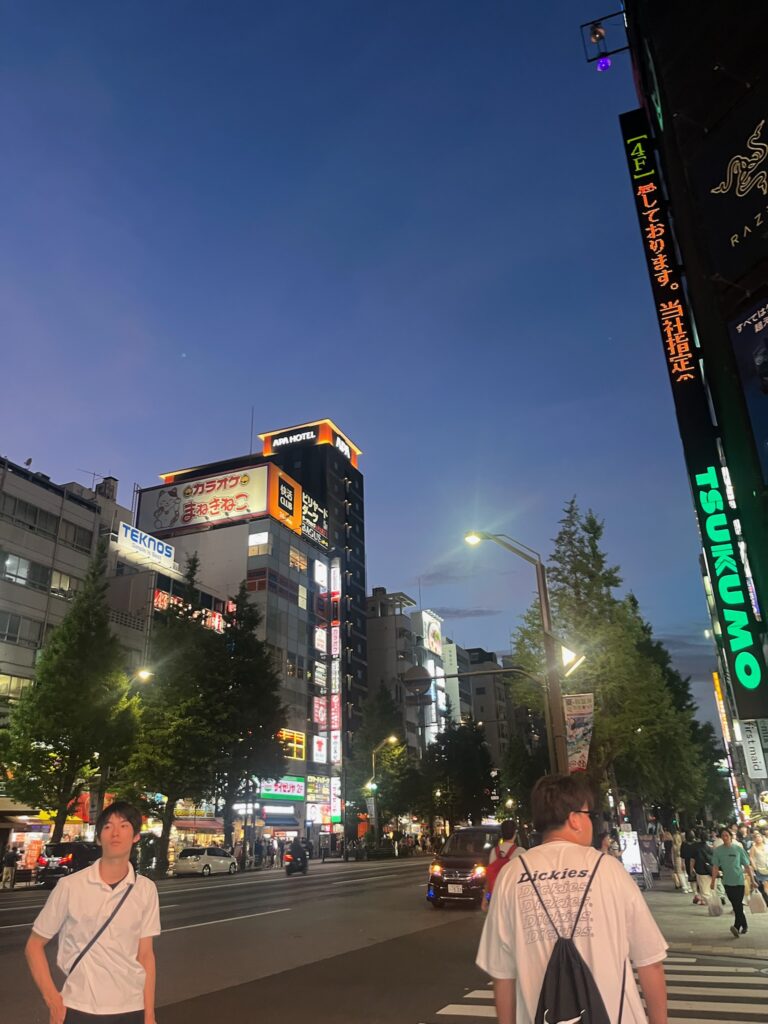
Our land tour kicked off with an overnight stop in Tokyo’s Akihabara district, a mecca for all things anime and gaming. As soon as dusk fell, my daughter and I dived into the neon jungle of Akihabara. Towering electronic store signs and giant anime billboards lit up the streets like daylight. We squeezed into several multilevel shops in search of Pokémon cards for our neighbors in Indiana, a mission my daughter was especially excited about. In one trading card shop, we found glass cases displaying rare Japanese Pokémon cards like museum pieces. She was on the hunt for some specific anime, and the staff (young, enthusiastic, and happy to practice their English) helped us find the right location. It felt a bit like a treasure hunt in the heart of Tokyo’s geek paradise.
We marveled at the sheer anime merchandise everywhere. Floor after floor was filled with figurines, manga, and retro video games (any system you would be interested in was findable here). Akihabara truly comes alive at night. Groups of college kids and tourists buzzed from arcade to arcade, J-pop music blared from store entrances, and maid café hostesses on the sidewalk beckoned passersby with flyers. The sensory overload was real and thrilling. Despite the crowds, navigating was easy thanks to bilingual signs and helpful locals. By the end of the night, we had not only a handful of Pokémon card packs for souvenirs, but also a deeper appreciation for Tokyo’s pop culture scene.
We spent the night in a cozy Tokyo hotel, our luggage re-packed for the journey ahead. Early the next morning, it was time to shift gears dramatically. We parted ways with my middle daughter who set off to return to Washington DC, and my youngest daughter and I (she’s 22) set off at dawn for the mountains. We boarded an express train at Shinjuku Station bound for Nagano Prefecture, ready to trade city lights for alpine trails. The beauty of Japan’s rail system made it easy for this dad-and-daughter duo to venture out independently: next stop, the Japanese Alps!
Kamikochi: Crown Jewel of the Japanese Alps
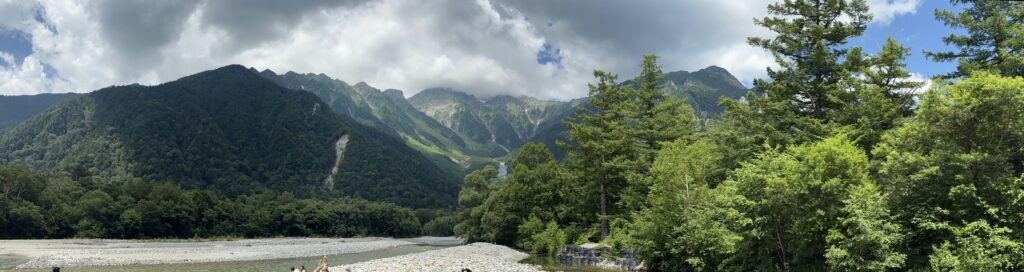
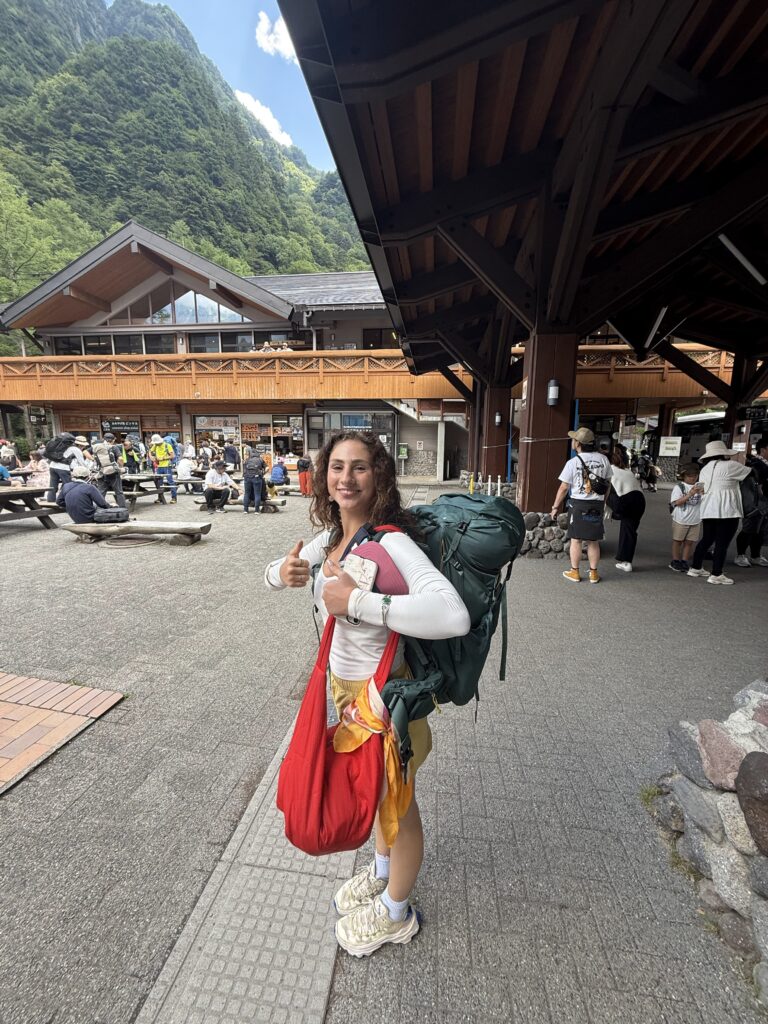
After a scenic 2.5-hour ride and a bus transfer up into the highlands, we arrived at Kamikochi, often called the crown jewel of the Japanese Alps. Stepping off the bus felt like entering a postcard. We were greeted by the cool mountain air and breathtaking views of the peaks encircling the valley breaking through some clouds. A crystal-clear river, the Azusa River, flowed through the heart of Kamikochi, its waters so clean and blue you could see fish swimming around the stones. After the flashing lights of Tokyo, this pristine wilderness felt almost otherworldly.
We spent the morning wandering nature trails that meander along the riverbank and through tranquil forests of willow and larch. The paths were well-marked (with English signage at key junctions, to our relief) and easy for kids. We crossed the iconic Kappa Bridge, a wooden suspension bridge with an unbeatable panorama of the valley. Standing there, we had towering Mt. Hotaka and Mt. Yake (a dormant volcano) in full view, framed by clouds and greenery. It was the perfect spot to snap some photos.
To keep energy up, we had a simple picnic lunch on the riverbank, just convenience store onigiri rice balls and curry puffs we’d brought along, which tasted amazing in that fresh air. We also couldn’t resist trying the local specialty sold at a nearby hut: gohei mochi, skewered rice cakes glazed with walnut miso sauce, grilled fresh over coals. Delicious!By early afternoon, having soaked in as much alpine beauty as we could, we bid farewell to Kamikochi. We managed the journey easily thanks to clear English guides: the return bus announced each stop in English, just as on the train. Our return trip was a little more eventful because of changes to the route due to a fallen tree, but we managed to get to a train platform that took us to the station we needed to transfer to Kyoto.
Kyoto Reunion: Temples, Traditions, and Family Time
Arriving in Kyoto felt both comforting and inspiring. When we reached our hotel, we were greeted by my wife and granddaughter with big smiles and hugs. (They had made their way to Kyoto ahead of us and had plenty of stories of their own to share.) That night, we celebrated our reunion with a stroll through the lantern-lit streets of Gion. We grabbed dinner at a tiny shop, and enjoyed our cultural immersion.
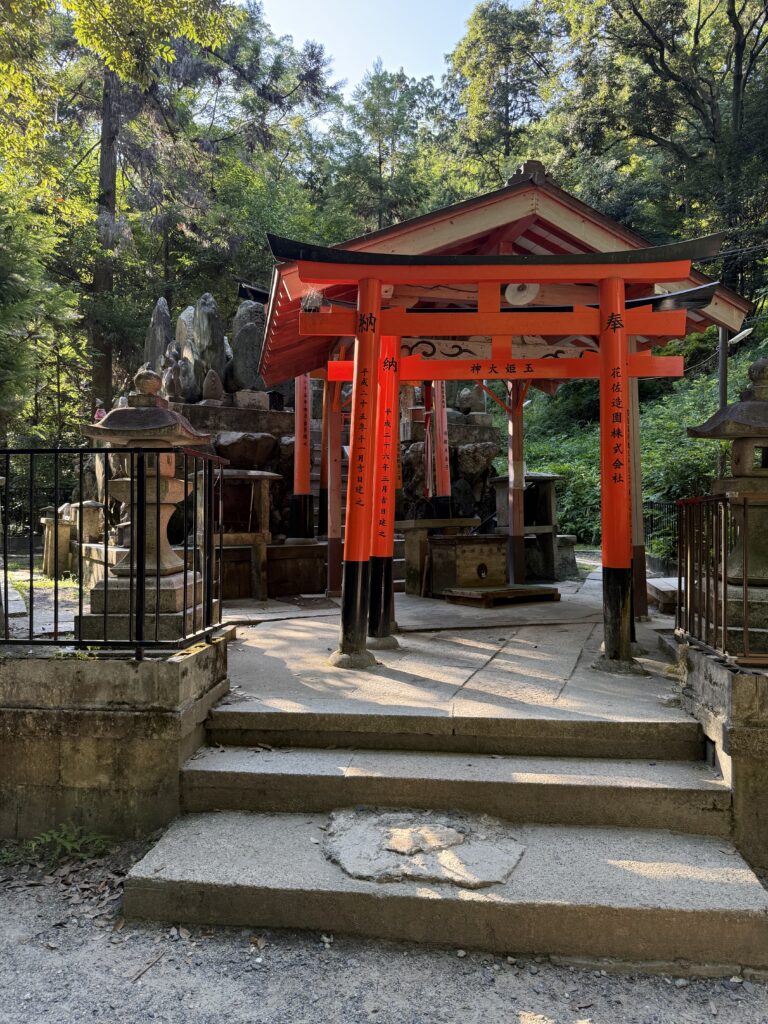
With most of our crew assembled, we shifted into “family vacation mode” to explore Kyoto’s rich heritage. Kyoto, with its hundreds of temples and shrines, could easily fill weeks of sightseeing, but we had a couple of days, so we focused on a few highlights. Together we visited Fushimi Inari Taisha, the famous shrine known for its thousands of vermilion torii gates winding up the forested hillside.
We all made the trek (at least to the halfway point!) through the tunnel of gates. The atmosphere under those vivid arches was almost magical, and we raced ahead counting gates and looking for the next fox statue (the shrine is devoted to Inari, and foxes are said to be messengers). Helpful signs in English along the path explained shrine etiquette and the meaning of offerings.
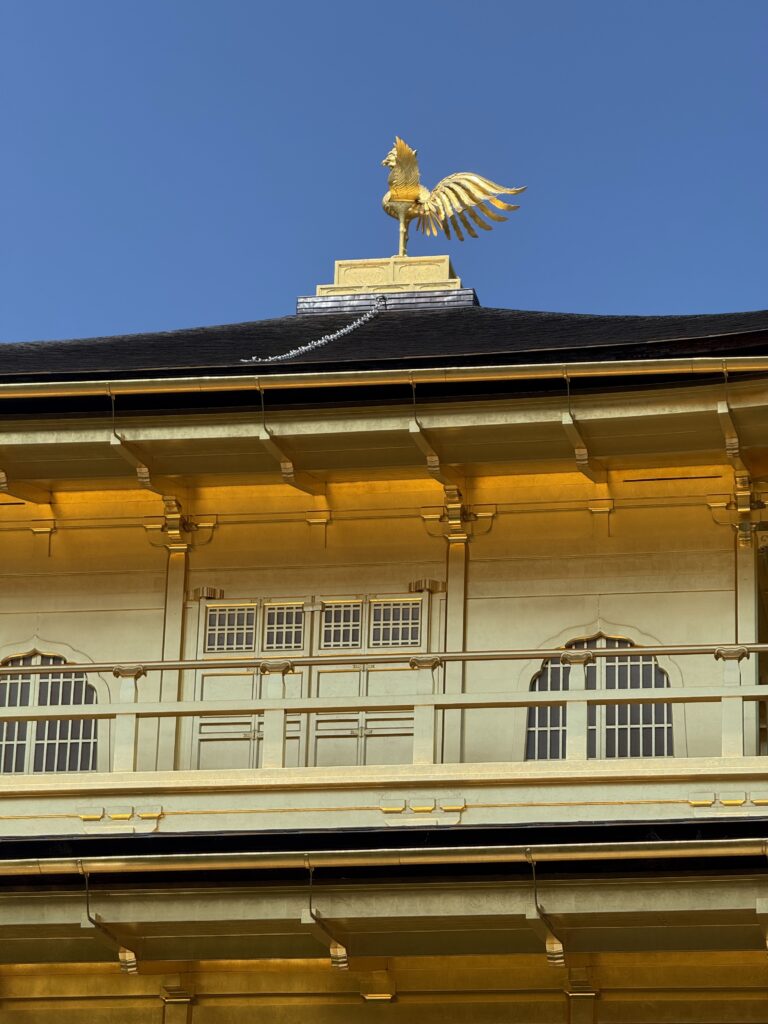
Later that day, we headed to Kinkaku-ji (the Golden Pavilion). Our jaws dropped upon seeing the temple’s top two floors completely covered in gold leaf reflecting in a pond. It looked like a scene from a fairy tale. We snapped photos with the shimmering pavilion in the background, and it’s still one of our favorite shots of the trip. We also made time for the Arashiyama Bamboo Grove, where we wandered a trail surrounded by soaring green bamboo stalks. It felt like entering a giant natural cathedral: quiet, a little eerie, but undeniably cool. Kyoto’s summer heat was intense (we learned to carry water bottles and those small hand or shoulder held fans everywhere), but the cultural wonders at every turn kept us motivated.
What struck me throughout Kyoto was how accommodating even the ancient sites were to international visitors. Many shrines and temples provided multilingual pamphlets or ticket machines, and signage often had English subtitles. On city buses and subways, automated announcements kindly chimed in English, “Next stop: Kiyomizu-Dera Temple,” which saved us from accidentally missing our stops. We never once felt the need for a formal tour guide or translator app in Kyoto; the combination of clear signage and a good maps and planning did the trick.
In the evenings, we delved into Kyoto’s food scene. One night we found a hole-in-the-wall gyoza joint with only a dozen seats; we feasted on crispy dumplings and rice. We capped off that night with a stop at a local supermarket to pick up some of Japan’s quirky KitKat flavors (sweet potato KitKats, anyone?) and a few bags of green tea to bring home. These little moments, such as selecting unusual candy flavors, or practicing our sparse Japanese, were precious. They gave us a taste of everyday life in Japan beyond the tourist sites, and everyone we met was patient and kind, bridging any language gaps with smiles or simple English.
Our Kyoto family time was the perfect blend of sightseeing and living local. We made lifelong memories together in that city. But our trip wasn’t over yet, we had one more chapter to experience. After bidding farewell to Kyoto’s temples and gardens, we all boarded the Shinkansen bullet train back to modern Tokyo. The final stop on our Japan family itinerary was a place where culture meets pure childhood joy: Tokyo Disney.
Tokyo Disney: A Magical Finale in Japan
No Mouse One Travel family vacation would be complete without a dose of Disney! We dedicated the last two days of our trip to Tokyo Disney Resort, which includes Tokyo Disneyland and Tokyo DisneySea. As a travel agent who plans many Disney trips, I was itching to see how Tokyo’s parks compare. My oldest daughter did all of the planning for Tokyo Disney. I had originally planned to return to the US with my middle daughter, but when my granddaughter asked if I would be going to Tokyo Disney with her, I couldn’t resist. Tokyo Disney did not disappoint. It turned out to be the perfect grand finale for our post-cruise Japan adventure, blending a touch of the familiar with lots of delightful surprises.
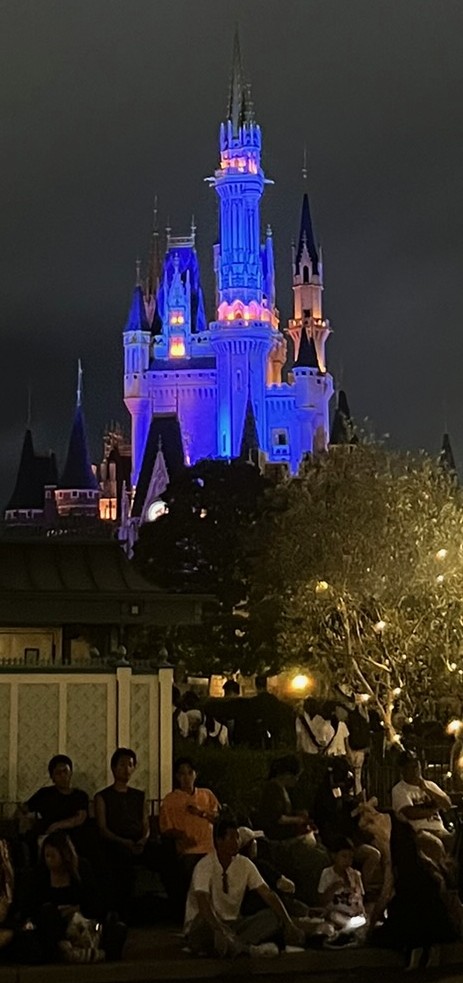
Tokyo Disneyland, which we tackled on day one, felt both familiar and entirely fresh. The layout and many attractions are similar to Magic Kingdom at Walt Disney World (there’s a Cinderella Castle here too), but there are unique rides and a distinct Japanese flair. We made a beeline at rope drop for Pooh’s Hunny Hunt, a legendary trackless dark ride found only in Tokyo. Pooh’s Hunny Hunt uses a trackless ride system that lets each honey pot dance through the scenes in a slightly different way, so repeat rides never feel exactly the same. It is far more whimsical and surprising than the U.S. Winnie the Pooh rides, and perfect for mixed-age families. The ride definitely lived up to the hype. Imagine bouncing through the Hundred Acre Wood in a hunny pot; at one point our vehicle “bounced” in sync with Tigger and spun in a dizzying dream sequence with Heffalumps. My granddaughter’s laughter on that ride was priceless.
Culturally, we noticed Japanese Disney fans go all-out, which made the atmosphere even more fun. Groups of friends and families wore matching Disney outfits or DisneyBound costumes (subtle outfits inspired by characters). We saw one family dressed as various Pooh characters and plenty of teenagers in coordinated Minnie Mouse polka dots.
If we felt underdressed, no one cared, the Japanese fans were too busy taking cute selfies and enjoying themselves, and their infectious enthusiasm swept us up. And the popcorn… I have to mention the popcorn. Tokyo Disney is famous for wild popcorn flavors and collectible buckets.
On day two, we ventured into Tokyo DisneySea, and it completely blew us away. This park is unlike any other Disney park on the planet. It’s themed around exploration and the sea, and it’s often hailed as Disney’s most beautiful park. Each “port” area transported us to a different fantastical place. We sailed Venetian-style gondolas through the canals of an Italian harbor, then later found ourselves 20,000 leagues under the sea in Captain Nemo’s submarine. One moment we were in an Arabian Nights marketplace, the next we were climbing toward a roaring volcanic crater on Mysterious Island (home to the Jules Verne-inspired Journey to the Center of the Earth ride). As a parent and a long-time Disney fan, I was as giddy as everyone else seeing all this detail and creativity.
Immersive Marvels of Tokyo Disney Resort’s New Attractions
Peter Pan’s Never Land Adventure (Tokyo DisneySea)
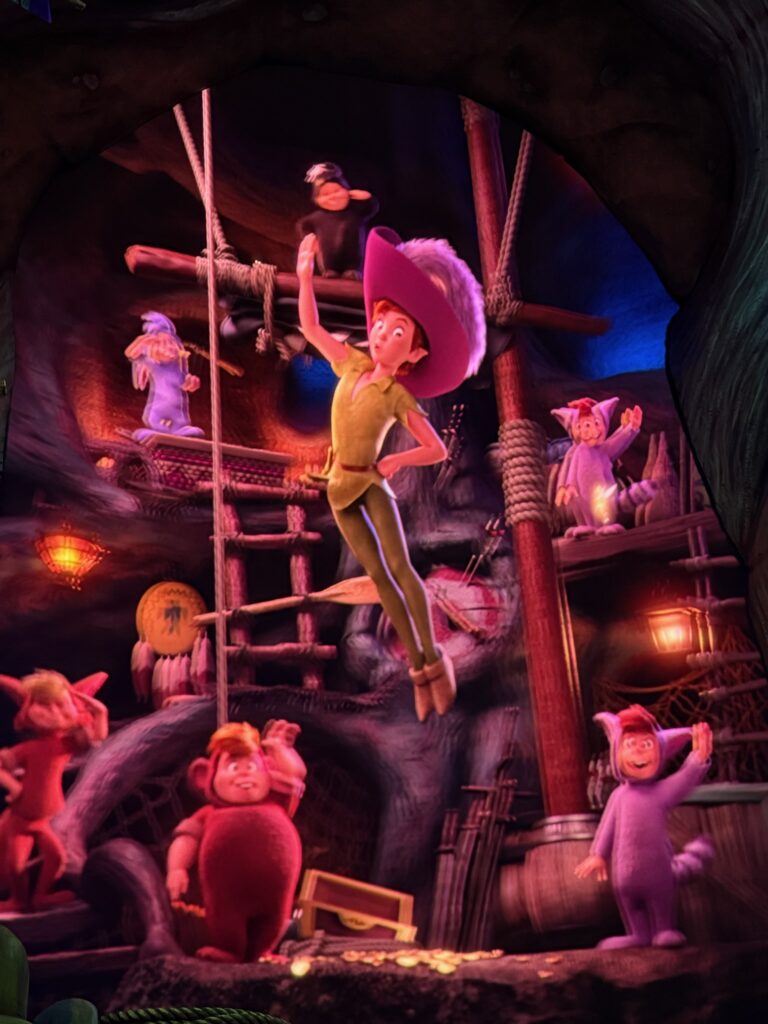
Peter Pan’s Never Land Adventure is a groundbreaking 3D dark ride that lets guests soar over Never Land in a way never before possible. Riders board trackless pirate galleon boats that glide through water and then suddenly take flight, all thanks to a new motion-based ride system. This innovative system offers a full six degrees of freedom and even utilizes turntables and track movement to simulate the sensation of flying with Peter Pan. A cutting-edge projection setup uses a single-lens, solid-state system to create stunning 3D visuals seamlessly integrated with elaborate physical sets. In fact, Imagineers developed special UV painting techniques on the scenery so that the digital and real world blend imperceptibly. We could hardly tell where the screen ended and the set began. Uniquely, this high-tech ride forgoes traditional animatronics entirely, instead featuring all-new animated visuals of Peter, Tink, and Captain Hook that look amazingly lifelike in 3D.
We put on our 3D glasses at the beginning of the ride as Tinker Bell sprinkled pixie dust on our boat, and suddenly we lifted off, an exhilarating moment that made us grin ear to ear. The transition from cruising through a cave to soaring above moonlit jungles and pirate ships is so smooth that we couldn’t believe how we were transported into the film’s world. Instead of simply flying over London, this version pulls you into action scenes where the ship swoops, dips, and surprises you in every direction. Our family rated it as one of the best uses of new tech at Tokyo Disney for kids and adults. It’s a thrilling flight-of-fancy that we absolutely adored, twice, ranking it among our favorite of Tokyo DisneySea’s innovative adventures.
Rapunzel’s Lantern Festival (Tokyo DisneySea)
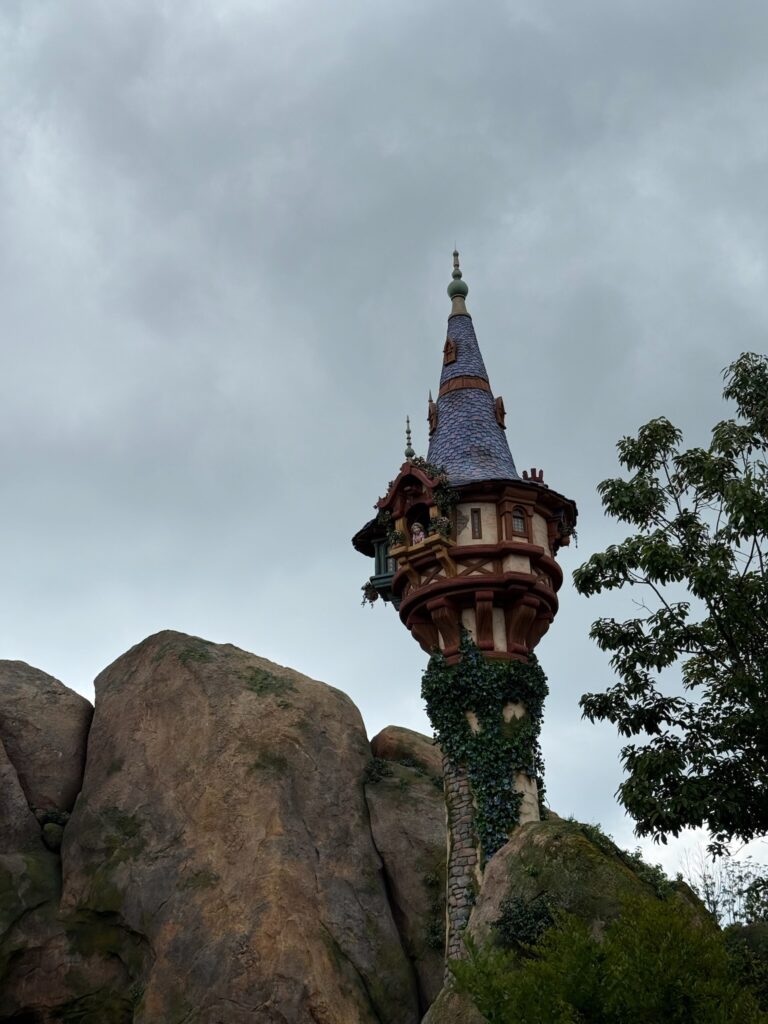
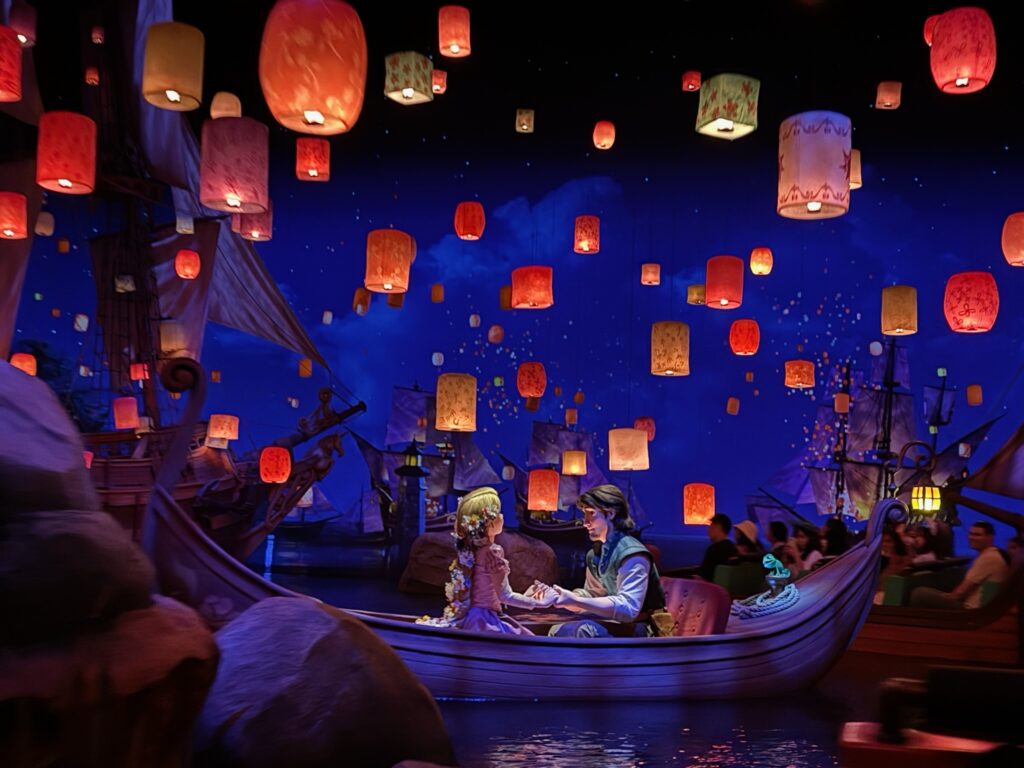
Rapunzel’s Lantern Festival brings the beloved world of Tangled to life with a romantic boat voyage through Rapunzel’s story. Think of this as a gentle, storybook river journey lit by hundreds of lanterns, with just enough motion to keep kids engaged but not scared. It has become our go-to recommendation for grandparents and younger children wanting something calm but cinematic. Unlike high-thrill rides, Rapunzel’s Lantern Festival focuses on visual storytelling and emotion. The journey was filled with gorgeous, mostly physical sets and effects, nearly every scene was tangible and richly detailed, with minimal use of screens. In fact, the show scenes are populated by some of Disney’s most advanced animatronics. A standout is Rapunzel herself: an incredibly lifelike figure who appeared first at the window of her towering hideaway, singing dreamily as her hair cascaded down. The quality of these figures was astounding. From Rapunzel’s subtle expressions to the twinkle of hundreds of lanterns reflected in the water, every technical element is designed for beauty and realism rather than flashy thrills.
What truly sets this ride apart was its emotional resonance and immersive artistry. We were excited for a Tangled-themed attraction, and the experience did not disappoint. The queue includes little touches such as hoof prints in the walkway.
As we drifted into the grand lantern sequence, surrounded by golden lanterns glimmering against the night sky, it felt like stepping straight into the film’s most iconic moment. Rapunzel’s Lantern Festival may be a gentle ride, but its meticulous design, innovative animatronics, and heartfelt atmosphere make it an unforgettable immersive showpiece. I am certain I would find new details every time I take the ride.
Enchanted Tale of Beauty and the Beast (Tokyo Disneyland)
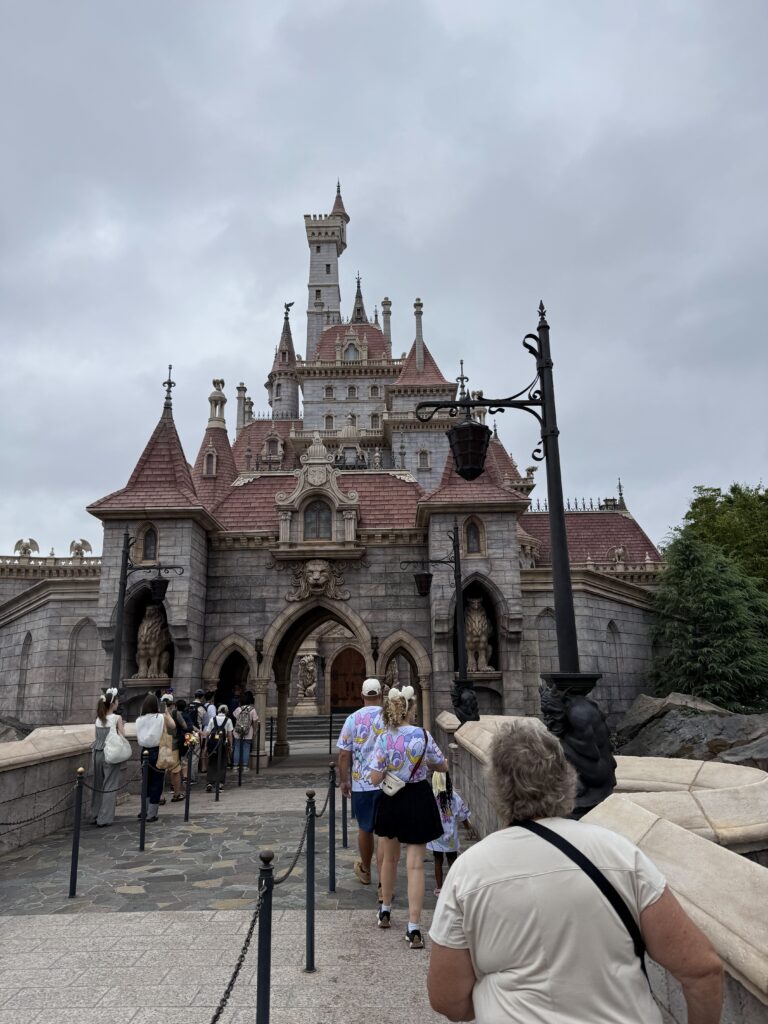
Enchanted Tale of Beauty and the Beast is Tokyo Disneyland’s headline attraction, set inside an enormous Beast’s Castle that dominates Fantasyland’s skyline. This dark trackless ride is an engineering marvel and a love letter to the classic film. Guests board enchanted teacup vehicles which “dance” through each scene in time to the music, as if you’ve stepped into the movie’s musical numbers. The technological scope is astounding. The attraction features 35 advanced Audio-Animatronic figures (from Belle and Beast to Lumière and Cogsworth) and a state-of-the-art trackless system that includes an on-board motion base in each vehicle. This allows the cups to glide, twirl, and even subtly bounce, perfectly simulating waltzes and other dance-like motions as you move through scenes. The physical sets are lavish, fully three-dimensional, and enhanced with clever effects. In the dramatic climax, for example, Beast’s transformation is realized with an ingenious illusion combined with projection mapping on an animatronic figure lifted by an invisible robotic arm, a jaw-dropping effect that makes it appear as if the Beast is truly levitating and morphing back into his human form before your eyes. It’s a unique bit of Disney magic you won’t find in any other park. From the 18-foot-tall Beast animatronic who realistically laughs and sighs, to the 108-foot castle facade built with over 100 ornate architectural details, every aspect showcases next-level craftsmanship and innovation.
While the technology impresses, it’s the emotional, immersive storytelling that elevates this attraction to legendary status. Enchanted Tale of Beauty and the Beast is designed to make you feel like an honored guest in Belle and Beast’s story, and it succeeds.
The experience begins with a captivating pre-show in the Beast’s grand ballroom, where a stained-glass window retells the curse and then Belle and the Beast appear as amazingly fluid animatronics, meeting for the first time. From there, riders are swept through all the beloved songs: a jubilant “Be Our Guest” dining room with dishes and cutlery dancing around Belle in an opulent feast, a “Something There” winter scene where your cup seemingly skates on a frozen pond alongside Belle and a tender Beast, and finally the grand ballroom finale. In that final scene, Belle in her gown and the now-transformed Prince waltz under a sparkling chandelier, surrounded by all the once-enchanted castle staff in human form, a tableau so enchanting that fans describe it as pure Disney magic. Throughout the ride, the animatronic characters move with such realism and warmth that they blur the line between fantasy and reality. As a result, riders truly feel like part of the musical, twirling in harmony with the characters and music. It’s no surprise that many theme park enthusiasts rank this among the top Disney attractions in the world, praising its unique combination of technical wizardry, lavish theming, and heartfelt storytelling. In short, Tokyo’s Beauty and the Beast ride is a tour de force of animatronic innovation and immersive design, delivering an emotional payoff that leaves fans (and their inner children) completely spellbound. It was one of the rides we went on multiple times.
A Feast for the Senses at Tokyo Disney
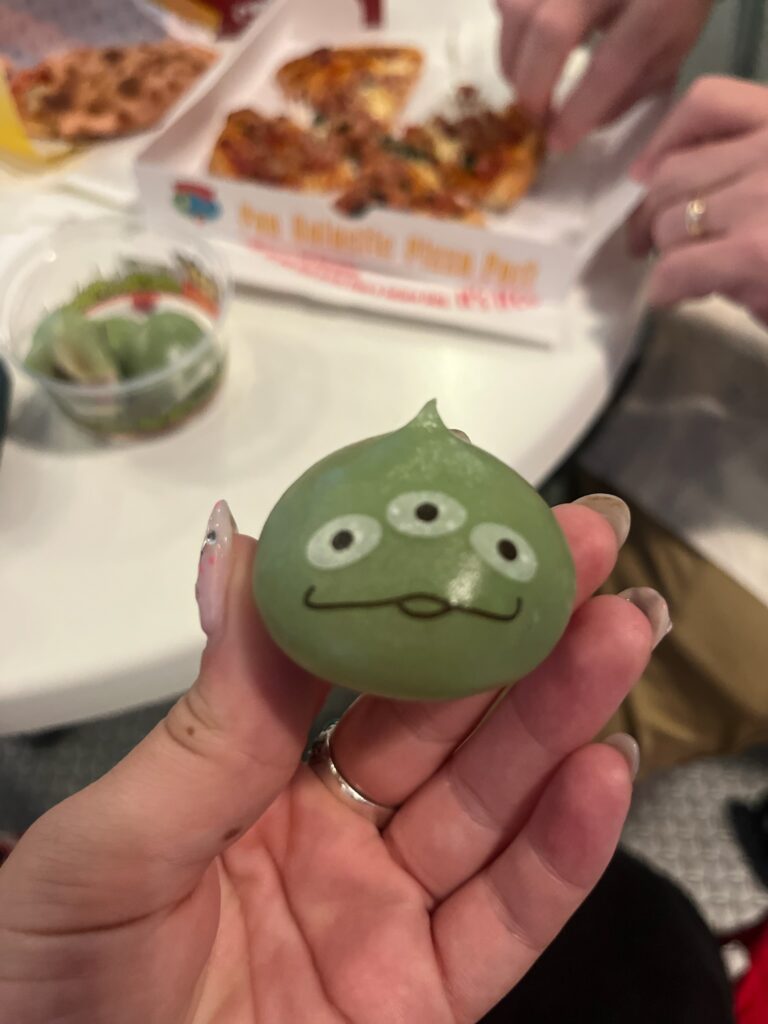
No visit to Tokyo Disney Resort is complete without sampling its famously imaginative food. A standout treat that quickly became a family favorite was the Little Green Men mochi, soft, chewy dumplings shaped like Toy Story’s adorable aliens, each filled with a different sweet surprise like chocolate, custard, or strawberry. These photogenic delights are not only popular for their whimsical design but also for their creamy, satisfying flavors, making them a must-try Tokyo Disney snack. We also took full advantage of the vibrant selection of nonalcoholic drinks and mocktails available throughout the parks. From sparkling fruit concoctions to elegant tea-based blends, these beautifully presented beverages were refreshing and added a celebratory feel to our days in the parks, especially appreciated during warm afternoons.
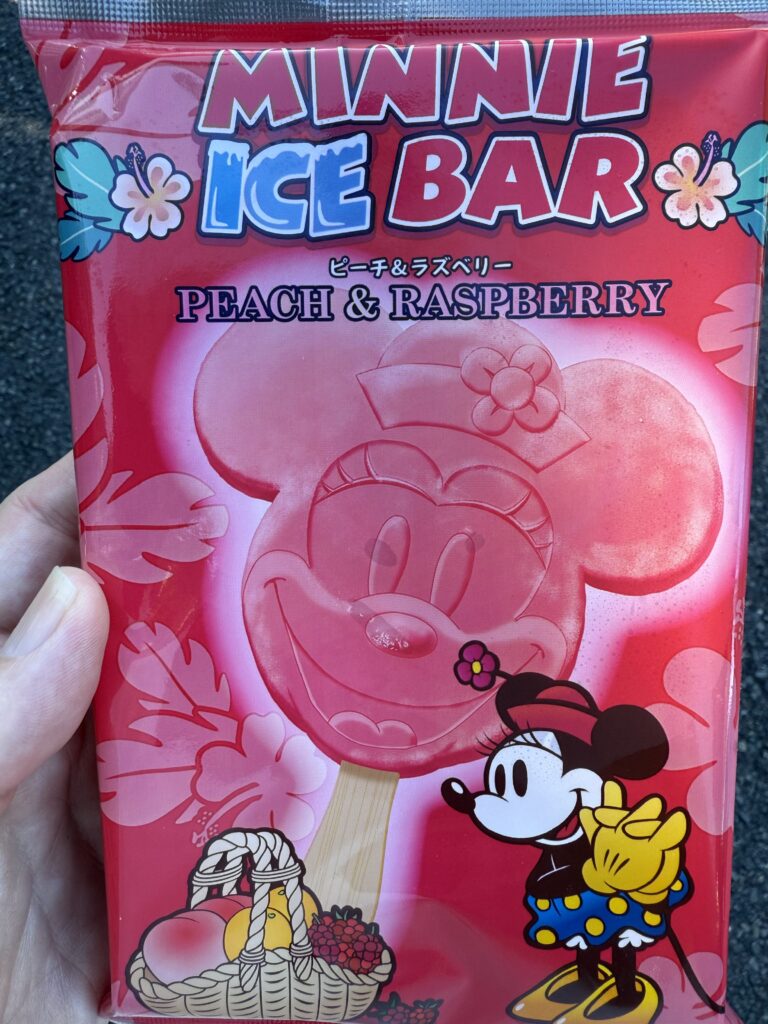
Among the most iconic food experiences at Tokyo Disney are the character-themed popsicles, like the Mickey-shaped tropical fruit bar and the Minnie-shaped peach and raspberry bar. These cold treats are both adorable and incredibly refreshing, especially in the heat of summer. Add to that the colorful, fruity shaved ice cups and icy soda floats found throughout the park, and there’s no shortage of ways to cool down in style. And of course, no Disney day is complete without Tokyo Disney’s legendary popcorn. With flavors ranging from honey to curry to soy sauce and butter, and served in collectible popcorn buckets that double as souvenirs, the popcorn is both a snack and an experience. For a more savory and filling option, we enjoyed the Japanese-style curry, served with rice and Mickey-shaped vegetables, rich, flavorful, and comforting. These culinary experiences not only kept us fueled for long days of fun but also highlighted the resort’s attention to detail, creativity, and cultural flair.
These delicious discoveries weren’t just meals; they were an extension of the storytelling magic that Tokyo Disney does so well, inviting guests to taste the whimsy, creativity, and culture embedded in every corner of the park. Between bites and sips, shared smiles and character encounters, we were reminded once again that Disney magic truly transcends borders. And as we wrapped up our final days in Japan, those joyful moments lingered with us, flavoring the memories of an adventure that had already exceeded every expectation.
Magical Moments That Need No Translation
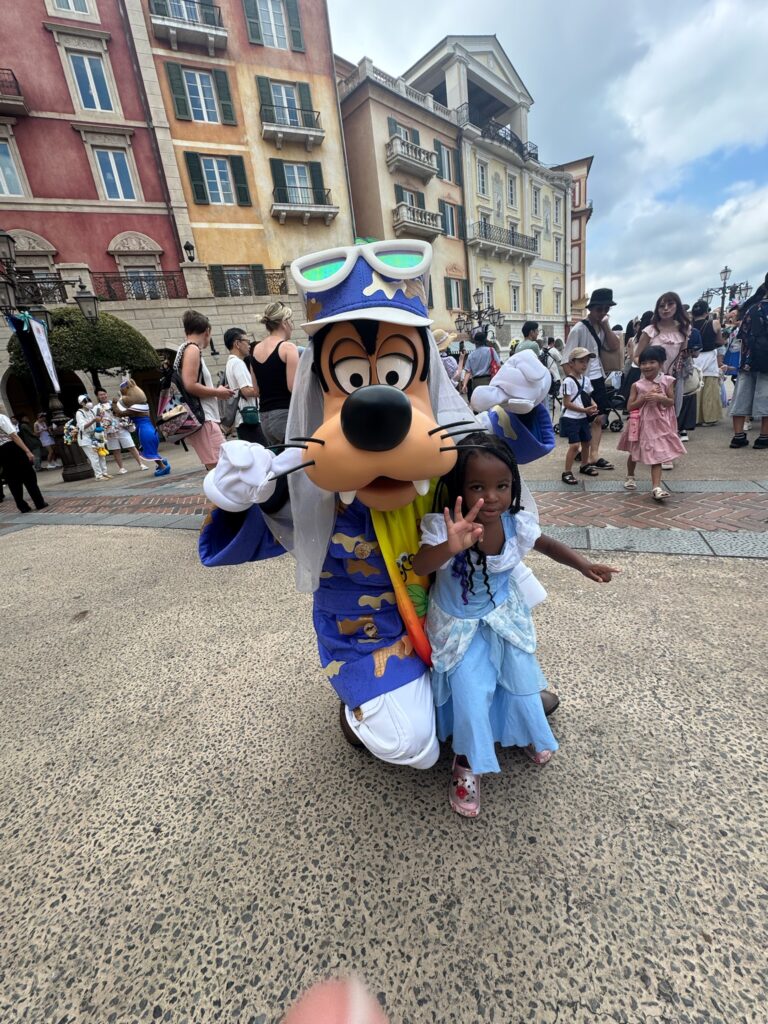
My granddaughter was thrilled to meet characters like Goofie, Donald Duck, Minnie Mouse, and Stitch, even though the interactions were mostly pantomime and laughter, the joy needed no translation. There’s something universal about a hug from Goofy that makes you feel right at home, even when you’re 6,000 miles away.
So how did we manage Tokyo Disney as foreigners? With preparation and the help of Disney’s excellent English-language support. My daughter had purchased our park tickets and made a hotel reservation at the Disney resort well in advance (Tokyo Disney, much like popular parks in the US, rewards those who plan ahead). The resort provided English park maps, and we had the Tokyo Disney Resort app on our phones in English as well. The app was a lifesaver for checking wait times and booking a Premier Access (Japan’s version of paid FastPass) for a couple of must-do rides. On the ground, we found that most Cast Members (Disney staff) spoke at least basic English and were extremely courteous. They went out of their way to help. Ride safety announcements were mostly in Japanese, but essential info was usually repeated in English or easy to understand through gestures. Honestly, being seasoned Disney-goers helped.
We knew the drill of arriving early, beating crowds, and using the app to our advantage. I always tell clients and friends that success at Disney is all about smart planning (in fact, our own Disney World planning guide emphasizes this). That philosophy carried over perfectly here, and we felt well-prepared to tackle the parks.
After two full days of park-hopping, show-watching, and snack-tasting, we were thoroughly exhausted in the best way possible. We found ourselves reflecting on the incredible two-week odyssey we’d just completed – from remote mountain villages and quiet shrines to the bright lights of Tokyo and the jubilant parades of Disney. What an amazing contrast of experiences, yet each part felt uniquely Japanese in its own way.
This independent land tour through Japan was the perfect complement to our cruise. In hindsight, the combination of a structured cruise vacation and a DIY post-cruise adventure was ideal. We enjoyed the comforts and excitement of the cruise (if you’re preparing for your first voyage, don’t miss our 25 Tips for First-Time Cruisers for a smoother sail!), and then we savored the freedom of exploring Japan at our own pace. Despite initial concerns about language barriers or navigating trains, we discovered that Japan is incredibly welcoming to travelers – from the English signs and announcements everywhere to the kindness of locals who helped us along the way. For our family, this trip wasn’t just about ticking off sights on a list. It was about the laughter shared over strange-flavored KitKats, the awe of standing in an alpine valley, the comfort of a bowl of ramen after a long day, and the delight of recognizing that a Disney song can feel like home in any language.
If you’re dreaming of a Japan family adventure, whether as a standalone trip or an add-on after a cruise, our experience shows you can absolutely do it and have an unforgettable time. Plan well, embrace the journey, and don’t be afraid to mix things up. You might pair ancient castles with anime shops, or mountain hikes with Mickey Mouse, and find that the combination is pure magic. And if you need help tailoring your own itinerary or want insider advice (Disney or otherwise), you know where to find me. (Shameless plug: Mouse One Travel is always here to make the magic happen, whether on land or sea!)
Arigato gozaimasu for reading, and sayonara. See you on our next travel tale! Safe travels and happy planning.
Frequently asked Questions
These FAQs are based on our own Princess Japan cruise and post-cruise land itinerary with kids and grandparents.
Can I explore post-cruise Japan independently without speaking Japanese?
Absolutely. Japan is extremely tourist-friendly, with English signage in major train stations, bilingual announcements, and helpful locals. With a little preparation, navigating Japan solo or with family is smooth and rewarding. Rural areas, small businesses, and some taxis may have less English presence, so we encourage downloading an offline translation app and carrying addresses in Japanese to navigate these areas.
What’s the best way to get from Yokohama Cruise Port to Tokyo or Kyoto?
The most efficient way is via Japan Rail (JR) trains. The JR system connects Yokohama to Tokyo directly. Getting to Kyoto usually involves Shinkansen from Tokyo or Shin-Yokohama. A JR Pass might save money for multiple long-distance trips, but recent pricing changes mean it is no longer an automatic money-saver for every itinerary; we recommend comparing pass vs individual tickets. We ended up buying individual tickets for our trips.
Is Kamikochi worth visiting on a post-cruise Japan family land tour?
Yes! Kamikochi offers scenic mountain trails, river picnics, and iconic views. Trails are flat and accessible for kids and seniors, making it ideal for multi-generational families. Winter requires special passes, so access for most is mainly late April to November.
What are the food highlights at Tokyo Disney Resort?
Must-try items include alien mochi (Little Green Men dumplings), Mickey- and Minnie-shaped popsicles, Japanese-style curry with Mickey-shaped vegetables, and exotic popcorn flavors like curry and soy sauce butter. Most menus have photo displays, which helps non-Japanese speakers.
How many days should I spend at Tokyo Disney Resort on a post-cruise Japan family itinerary?
Two to three full days allow you to enjoy both Tokyo Disneyland and DisneySea, including shows, parades, and headline attractions like Beauty and the Beast and Peter Pan’s Never Land Adventure. Tickets and Disney hotels now regularly sell out, and date-specific tickets are required, so plan accordingly.
What is the difference between Tokyo Disneyland and DisneySea?
Disneyland mirrors the Magic Kingdom-style parks with familiar characters and stories. DisneySea is unique to Japan, themed around nautical exploration, and includes attractions not found in other parks like Journey to the Center of the Earth.
Do I need to pre-book Tokyo Disney Resort tickets and hotels?
Yes. Advanced booking is highly recommended, especially during busy seasons. Park tickets, Disney Premier Access (FastPass), and hotel rooms can sell out weeks in advance.
Are there cultural differences I should be aware of at Tokyo Disney?
Yes, but they add charm. Guests often dress in matching themed outfits and are very polite. Park etiquette is generally more subdued than in U.S. parks, much less noise, and much more courtesy.
What are some can’t-miss rides at Tokyo Disney Resort?
Top rides include:
• Enchanted Tale of Beauty and the Beast
• Peter Pan’s Never Land Adventure
• Rapunzel’s Lantern Festival
• Pooh’s Hunny Hunt
• Journey to the Center of the Earth
What’s the best time of year to take a post-cruise land tour in Japan?
Spring and fall are ideal for pleasant weather and fewer crowds. Summer can be hot but manageable with hydration and shade break. The summer typhoon season can affect cruises and potentially land plans as well. Still, we had a great time on our summer trip.
Is Japan family-friendly for multigenerational travel?
Yes. From trains and temples to theme parks, Japan caters to all ages. Clean public spaces, helpful locals, and a wide range of activities make it an excellent multigenerational destination. Elevators, accessible trains, and clean restrooms made travel pleasant for everyone.
How does this itinerary connect with your other blog content?
This post is the second about our trip to Japan this past summer and complements our cruise planning guides and other Disney destination features. Be sure to check out our 25 Tips for First-Time Cruisers and Disney travel planning articles. for deeper advice. If your are interested in our cruise portion of this trip, visit Princess Japan Cruise: Family Adventure with Cultural Immersion and a Typhoon Twist.
Contact Mouse One Travel for custom Japan/cruise planning, linking to your services page.