
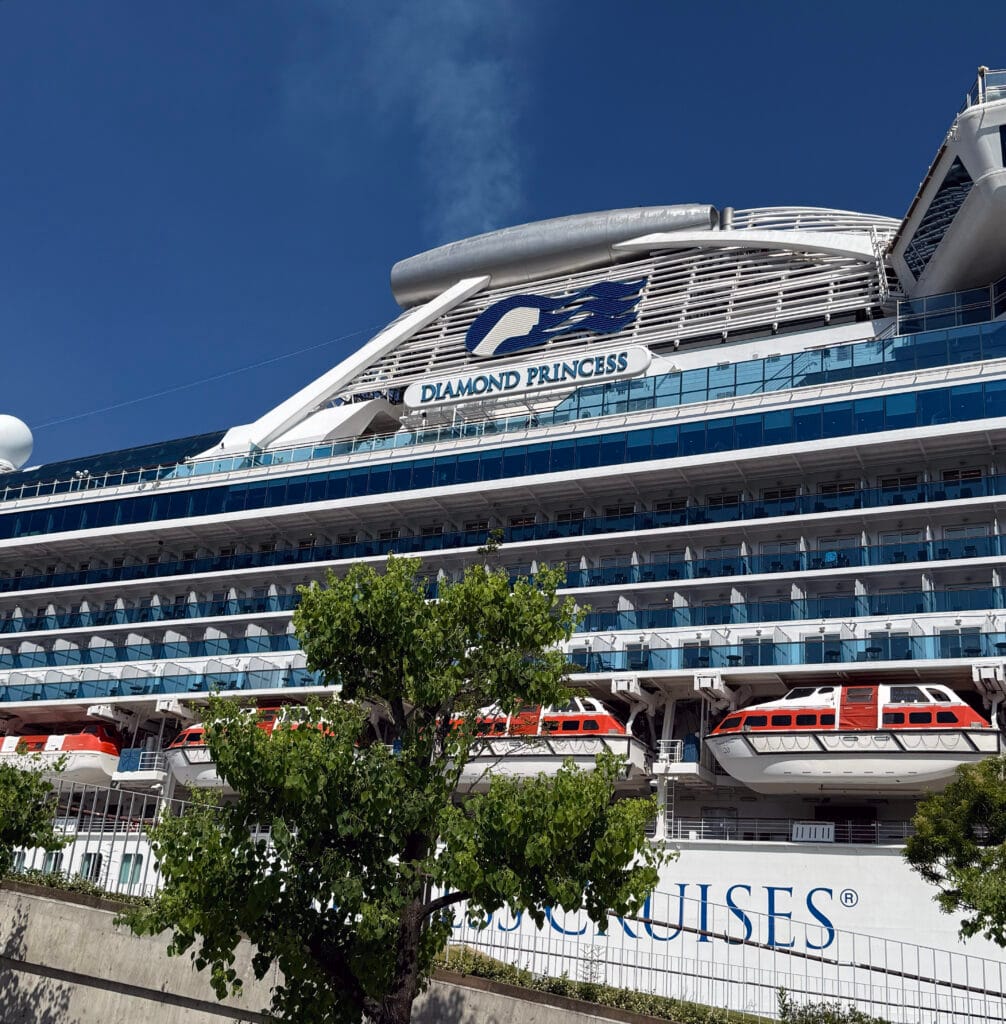
Setting Sail from Yokohama (Tokyo) – Our Itinerary Overview
In mid-July 2025, we embarked on a Princess Japan cruise out of Yokohama, Tokyo’s port city. As seasoned cruisers (armed with our own first-timer tips from past voyages), we still felt the unique excitement of exploring a new region by sea. Our planned 7-night itinerary promised a mix of Japanese and Korean ports:
- Jul 21 – Yokohama (Tokyo Bay): Embarkation day. We boarded Diamond Princess, our home for the week, and settled in with anticipation.
- Jul 22 – Day at Sea: A relaxing sailing southward. We enjoyed ship orientation and scenic Pacific views. Little did we know a typhoon brewing to the south would soon alter our plans.
- Jul 23 – Nagasaki, Japan (9:00 AM – 6:00 PM): Our first port in Kyushu, Japan’s southern island.
- Jul 24 – Jeju (Seogwipo), South Korea (7:00 AM – 3:00 PM): A brief international day trip to Jeju Island.
- Jul 25 – Day at Sea: Sailing through the Kanmon Strait on the way to Osaka, which replaced Kagoshima due to a storm.
- Jul 26 – Osaka, Japan (unexpected stop, replacing Kagoshima): Originally scheduled for Kagoshima (10:00 AM – 7:00 PM), this port call was canceled due to a typhoon in the area. Princess swiftly adjusted by diverting us to Osaka instead.
- Jul 27 – Shimizu, Japan (8:00 AM – 5:00 PM): Gateway to Mt. Fuji, on Japan’s Pacific coast.
- Jul 28 – Yokohama: Disembarkation: Back to Tokyo to conclude the cruise.
Typhoon Detour: From Kagoshima to Osaka
Mid-cruise, we learned that a typhoon’s path near Kagoshima would make that port unsafe to visit. Safety comes first, and Princess Cruises handled it calmly and professionally. The Captain announced that instead of cancelling outright, we’d sail through the Kanmon Straits and arrive at Osaka the next day. This was an exciting twist: Osaka wasn’t on our original plan, so it felt like a bonus destination. Many of us were disappointed to miss Kagoshima (we had been looking forward to meeting my wife’s roommate from college and her daughter and seeing the volcano views of Sakurajima), but Osaka turned out to be a fantastic silver lining. The crew quickly provided information on Osaka attractions and arranged excursions on short notice (very impressive logistics). Weathering a typhoon (even indirectly) is part of cruising in Asia’s summer, and our experience navigating typhoon season on Diamond Princess gave us a story to tell. We appreciated Princess’s flexibility and felt safe throughout the itinerary change.
While my wife initially missed the day she was supposed to get together with her former roommate who she hadn’t seen in many years, the Osaka stop enabled her to disembark early and travel back to Kumamoto (further south in Kyushu) via Japan’s bullet train. Princess staff helped coordinate her early departure, showing great understanding. While she sped off on the Shinkansen to reunite with friends, the rest of us (myself and our kids) stayed on board to continue the cruise. This kind of flexibility, being able to leave the ship mid-cruise for personal plans, highlighted how accommodating a cruise can be. (For those curious, we later all met up in Kyoto after the cruise, so my wife could enjoy the last part of our Japan trip with us.)
Immersive Japanese Culture on Board Diamond Princess
One standout aspect of this Princess Japan cruise was how culturally immersive the onboard experience felt. I’ve cruised with multiple lines over the years, and Princess in Japan delivers something special. Here’s what made our voyage uniquely Japanese in flavor:
- Japanese Passengers & Announcements: We quickly noticed that a majority of our fellow passengers were Japanese nationals (Princess is extremely popular in Japan). This meant we were truly surrounded by local culture even at sea. All announcements were made in both English and Japanese. Hearing the cruise director cheerfully explain activities twice (once in each language) became routine. It never felt tiresome. In fact, it was reassuring to see how Princess catered to both its Japanese guests and us English-speaking visitors seamlessly. We even picked up a few Japanese phrases just from daily announcements and greetings!
- Bilingual Crew and Services: Many crew members spoke at least basic Japanese in addition to English, and daily programs were printed in both languages. There was even a Japanese guest services desk alongside the regular international one. Navigating the ship was easy for everyone, regardless of language. As an English-speaking family, we always felt informed, but we also appreciated the effort to include Japanese customs.
- Cuisine with Local Flair: The dining experience blended home favorites with local cuisine. Of course, Princess had its usual international fare (the pizza and grill were a hits with us), but we eagerly tried the Japanese offerings on board. The buffet featured miso soup, rice, and Japanese curry each day, and there was a ramen station that was quite popular. The savory Japanese breakfast was on of our favorite experiences. One specialty restaurant, Kai Sushi, served top-notch sushi and sashimi, a must-try if you love Japanese food. We felt it was well worth the cover charge to have an authentic sushi dinner at sea. Even the main dining room menus incorporated Japanese touches, like teriyaki salmon and matcha green tea desserts. This fusion of familiar and new is exactly what we love about travel. Since we had Princess Plus, we also used one of our dining credits to visit Churrascaria Brazilian Grill, which is set up in part of the buffet area in the evening. The dinner was excellent.
- Onboard Atmosphere & Activities: The ship’s entertainment had sprinklings of Japanese culture. One evening, we enjoyed a traditional Japanese drum performance in the atrium The thunderous Taiko drums drew a huge crowd. There were origami and calligraphy classes offered as daytime activities, alongside the usual trivia and bingo. These additions made the cruise feel destination-focused, not just a generic sailing.
- Facilities Tailored to Japanese Tastes: Fun fact – Diamond Princess was built in Japan, and it shows in some amenities. The ship has a large Japanese-style Izumi Bath (public bathhouse) complete with indoor and outdoor onsen pools segregated by gender. I gave it a try and found it incredibly relaxing to soak in hot mineral water while gazing at the ocean – something you won’t find on other Princess ships outside Asia. Also, the casino was notably smaller and less emphasized (gambling isn’t as big in Japan), and instead there were extra spaces for tea gatherings and karaoke, which Japanese guests adore. These little differences gave the Diamond Princess its own personality perfectly suited to its typical clientele.
All these cultural elements onboard meant that even our sea days felt like we were in Japan. As a travel agent who often helps clients navigate cruise options, I can confidently say Princess succeeds in delivering an immersive regional experience. We never felt like we were missing out by cruising versus land travel – the culture came along with us. And for those worried about a language barrier: Princess had us covered. Important safety drills, daily schedules, even the TV programs in our stateroom had English options. It was the best of both worlds – an American-style cruise vacation and an authentic taste of Japan.
(Side note: As a U.S. military veteran, I was also pleased that Princess thanks veterans with special benefits. We received a military onboard credit as part of Princess’s program, which I’ve detailed before in my 7 Exclusive Military & Veteran Discounts with Major Cruise Lines: The 2025-2026 Guide for Heroes. It covered a chunk of our shore excursion costs! If you’re a veteran cruiser, definitely ask about Princess’s military credits when booking.)
Princess Medallion Perks: Seamless Cruising, No Lines Required
The Princess Medallion system added another layer of ease to our sailing. With it, we could skip lines entirely by ordering drinks or snacks from virtually anywhere onboard and having them delivered right to us. Whether we were lounging on deck, seated in the buffet, or relaxing in a quiet lounge, the Medallion experience let us stay in the moment. Combined with the Princess Plus package, which covered our drink plan, Wi-Fi, and gratuities, it was a game-changer for both comfort and value. For families or multigenerational travelers, this frictionless setup is one of Princess’s most underrated perks.
Port Highlights: Nagasaki, Jeju (Korea), Osaka, and Shimizu
Despite the comfortable sea days, we were excited to explore each destination on our itinerary. Here are some personal highlights and tips from our port stops:
Nagasaki, Japan – History and Hope
Our first port on our Princess Japan Cruise, Nagasaki, was a profound experience. We opted to learn about its history by visiting the Nagasaki Peace Park and Atomic Bomb Museum. It made for a somber morning, standing at the site where the 1945 atomic bomb exploded. The Peace Park’s statues and memorials are moving. We paused to reflect on the significance of what we were seeing, each of us processing it in our own way. It was heavy but meaningful and served as a reminder of why we travel: to connect with the world.
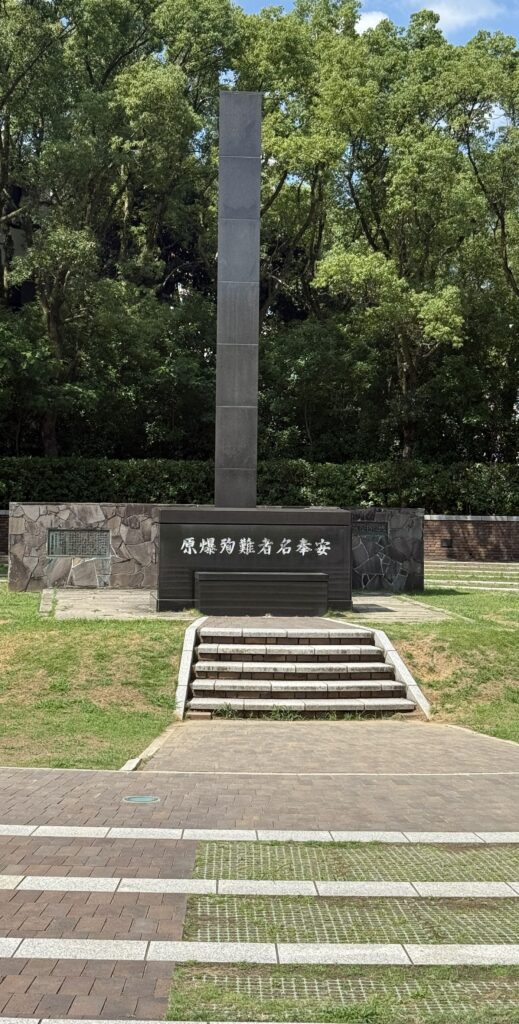
In the afternoon, we lightened the mood by exploring Dejima, a restored historical Dutch trading post area, and strolling through the spectacular Megane-bashi (Spectacles Bridge) in town. We also sampled Nagasaki champon, a famous local noodle dish, at a little restaurant frequented by locals (menu was only in Japanese, but pointing and smiling worked just fine!). Princess offered a few shore excursions (including one to nearby Mount Inasa for a view over the city), but we found Nagasaki easy to do on our own by taxi and streetcar. The ship stayed until early evening, giving us plenty of time. As we sailed away, I reflected on how warmly the city has embraced peace, truly a highlight of the cruise.
Jeju Island, South Korea – A Taste of Korea
Next up was Jeju (Seogwipo City) in South Korea. This was a short port call (we were docked roughly 7 AM to 3 PM), so we planned a simple morning excursion with a local guide we hired through Viator. Jeju is a popular vacation island for Koreans, known for its natural beauty. The mountains and forests were stunning. We took a tour to a waterfall that was an easy walk and quite pretty, surrounded by lush greenery. We also visited a green tea plantation, where my youngest granddaughter’s eyes went wide at the sight of pony statues that she could climb on.
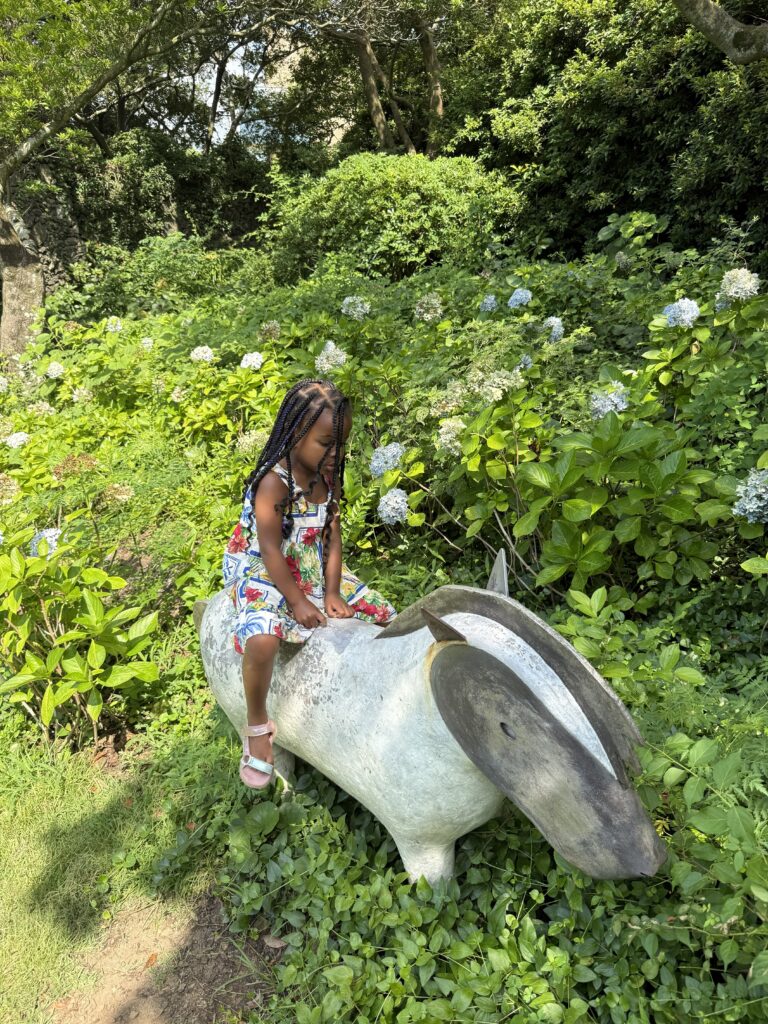
Back near the pier, we had just enough time to pop into a street food stall to try hotteok (sweet filled pancakes) and buy a few Jeju souvenirs. If you’re not on an official tour, note that Seogwipo port is a bit far from Jeju’s main sites; a taxi or pre-arranged driver is needed to make the most of a short day. We made it back aboard with full bellies and a quick taste of Korea under our belts. By mid-afternoon, Diamond Princess set sail, and we waved goodbye to South Korea.

Osaka, Japan – An Unexpected Urban Adventure
Our Osaka stop on our Princess Japan Cruise was the curveball of the trip, replacing typhoon-blocked Kagoshima. Docking in Osaka felt ironic. We had come full circle to a major city we thought we wouldn’t see this time. While my wife headed to the train station to start her journey to Kumamoto, the rest of us embarked on a DIY Osaka adventure. Thanks to the ship’s last-minute port briefing and my own research (hooray for onboard Wi-Fi), we formulated a game plan easily.
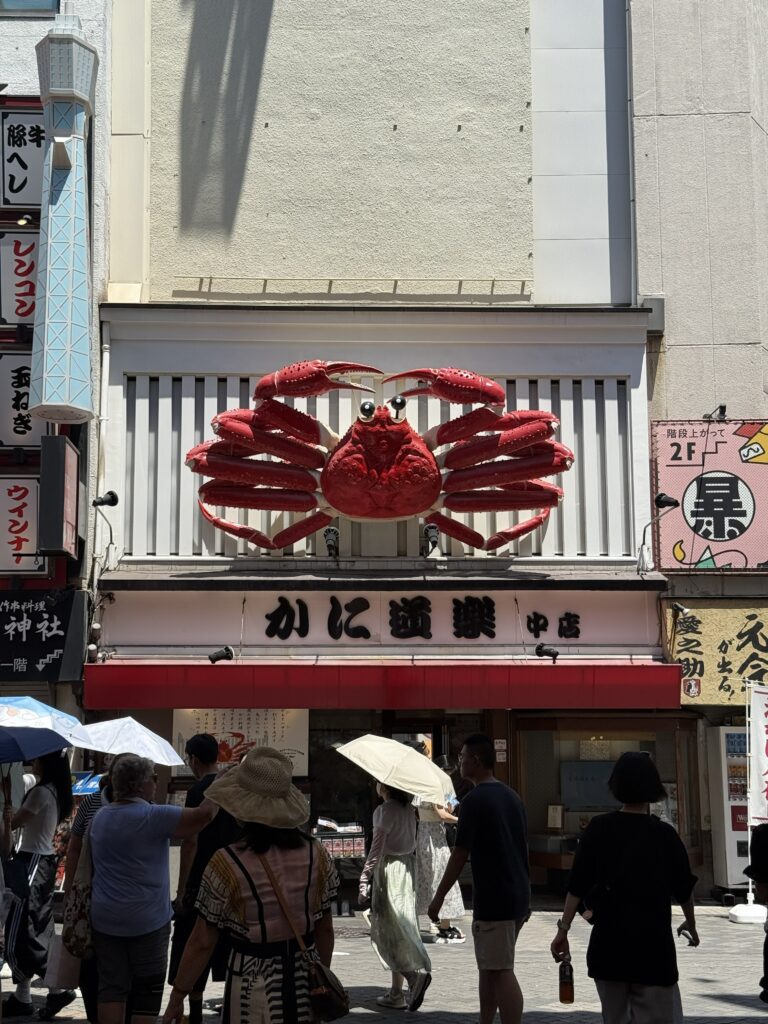
We decided to focus on the Dotonbori district, Osaka’s famous food and entertainment area, so the kids could enjoy the flashy signs and street snacks. A quick 20-minute taxi ride from the port (Osaka’s cruise terminal is in the bay, but close enough to downtown) brought us right to the Glico running man sign on Dotonbori Canal. We spent our afternoon sampling takoyaki (grilled octopus balls) from a stand under a giant octopus sign. The kids were hesitant at first but ended up loving these savory bites. We also tried okonomiyaki (Osaka’s savory pancakes) at a local joint and had a terrific bowl of Ramen that we ordered at a kiosk outside the small restaraunt. Communicating was no issue; even if some vendors spoke little English, they had English menus or plastic food models. Osaka is very used to tourists.
The vibe in Osaka is energetic and friendly. Part of me was grateful for the change, as it showed the kids a totally different side of Japan than tranquil Nagasaki. If you visit Osaka on a cruise stop, my tip is to prioritize one area (like we did with Dotonbori) rather than trying to see the whole city. There’s just too much! We returned to the ship on time (can’t risk missing our departure) with takoyaki sauce on our shirts and big smiles on our faces. Osaka turned out to be a fantastic surprise stop.
Shimizu, Japan – Gateway to Mt. Fuji
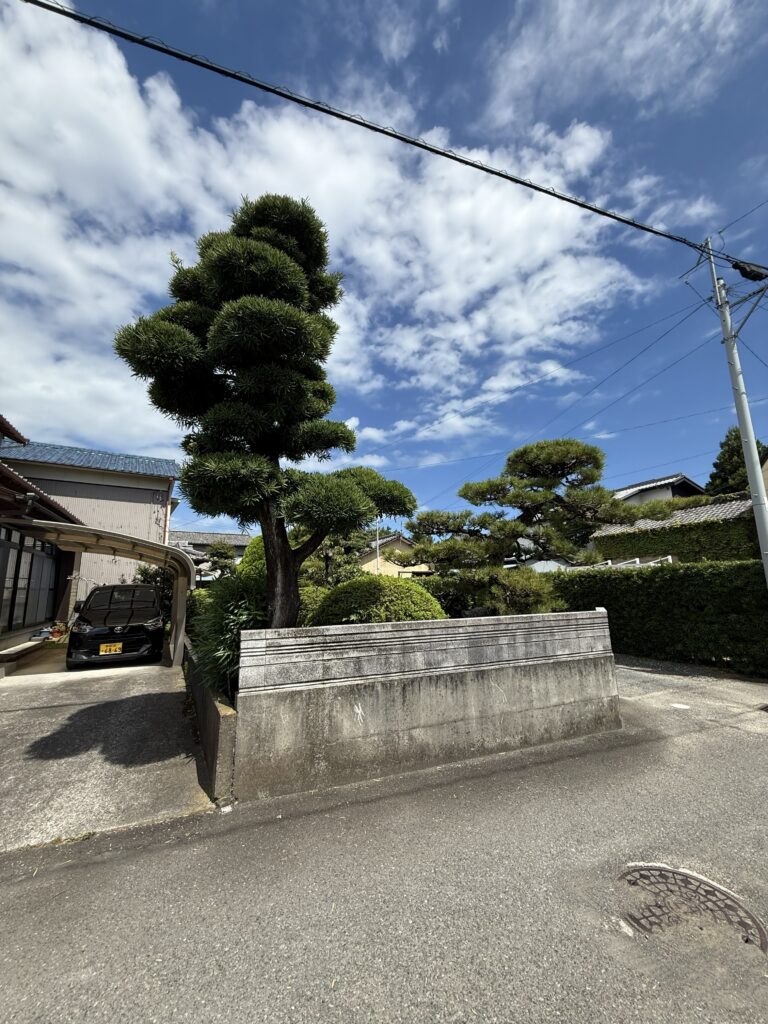
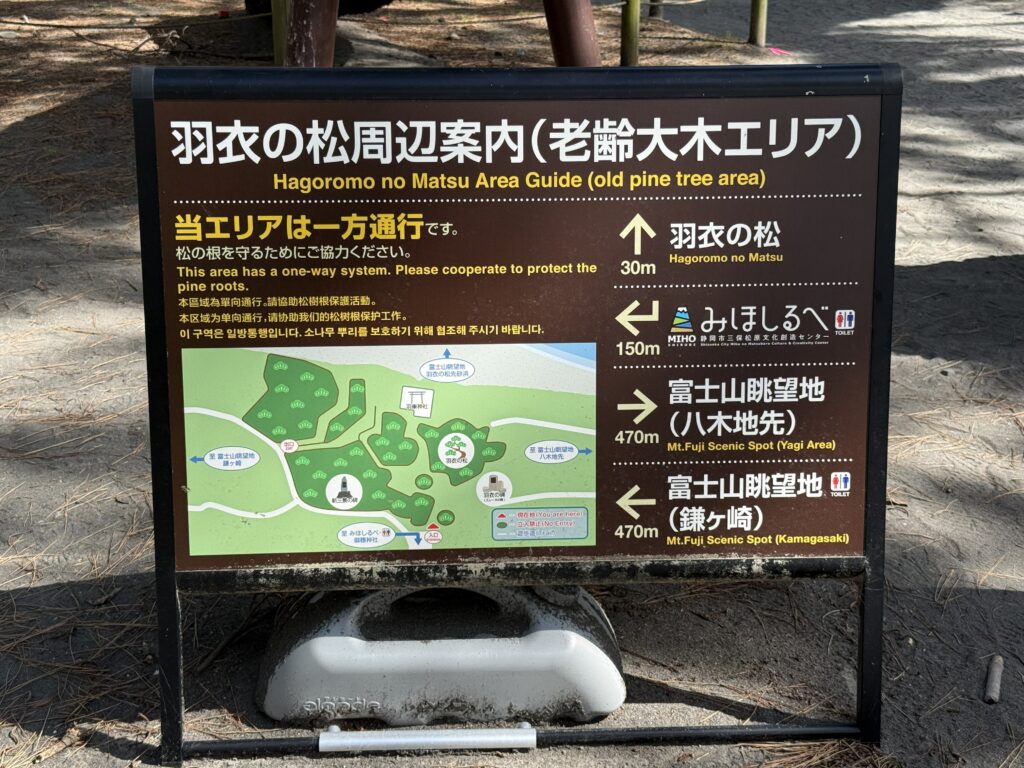
Our final port on our Princess Japan Cruise was Shimizu, which is known for one main thing: views of the iconic Mt. Fuji. The port is actually in Shizuoka Prefecture, and on a clear day, the snow-capped cone of Fuji-san dominates the skyline. We found our own way to the Miho no Matsubara beach, a pine-covered seashore famous for its panoramic view of Mt. Fuji. Standing on the black volcanic sand beach, we snapped photos of the beach. Unfortunately, we did not catch a glimpse of Mt. Fuji because the day was overcast and cloudy. We also stopped at a shrine on the way to the beach, and the yard gardens along the way were amazing!
Reflections on Our Japan Cruise Experience
By the time we returned to Tokyo (Yokohama) on July 28, our family had a treasury of memories. This Princess Japan cruise managed to pack in so much: meaningful historic sites, a dash of international travel in Korea, the thrill of an unplanned adventure in Osaka, and serene natural beauty throughout the cruise. All of it was made effortless by the cruise format. We unpacked once, had comfortable and familiar meals waiting each day (after plenty of local snacking ashore), and the kids enjoyed their activities on sea days while the adults savored quiet time on deck.
For anyone considering a Princess Japan cruise, we wholeheartedly recommend it. It’s an excellent way to visit multiple regions of Japan (and nearby Korea) without navigating trains and hotels every day. The cultural immersion onboard meant we never felt isolated from the destination. Princess really does a great job tailoring the experience to Japan’s spirit. Plus, practical matters like language and food were handled so smoothly that it was far less daunting than organizing a land tour on our own (though we did one post cruise, which is the subject of my next post).
A few tips if you plan a similar cruise: arrive in Tokyo a day or two early (we did, which took the edge off jet lag and allowed us to explore before sailing, pack layers (summer in Japan is hot and humid, but the ship’s air-conditioning can be chilly at times), and be prepared for itinerary changes during typhoon season. If an alteration happens, go with the flow. You might end up loving the substitute port like we did with Osaka. And don’t shy away from engaging with the local aspects onboard: try the sushi, attend the cultural shows, chat with Japanese fellow passengers (many are eager to practice their English and share about their country). It will enrich your trip enormously.
Our Princess Japan Cruise wasn’t just a vacation; it was a journey that deepened our family’s appreciation for Japanese culture and history, all while enjoying the convenience of cruise travel. Back on land, we felt inspired to see even more of Japan. In fact, my youngest daughter and I continued onward for a self-guided rail tour through the Japanese Alps after disembarkation, proving that a cruise can be just the start of a bigger adventure. But that land tour (complete with Tokyo Disney at the end!) is a tale for the next post. Until then, I’ll say arigato (thank you) to Princess Cruises for an incredible voyage and bon voyage to those of you gearing up for your first Japan cruise. You’re in for something truly special!
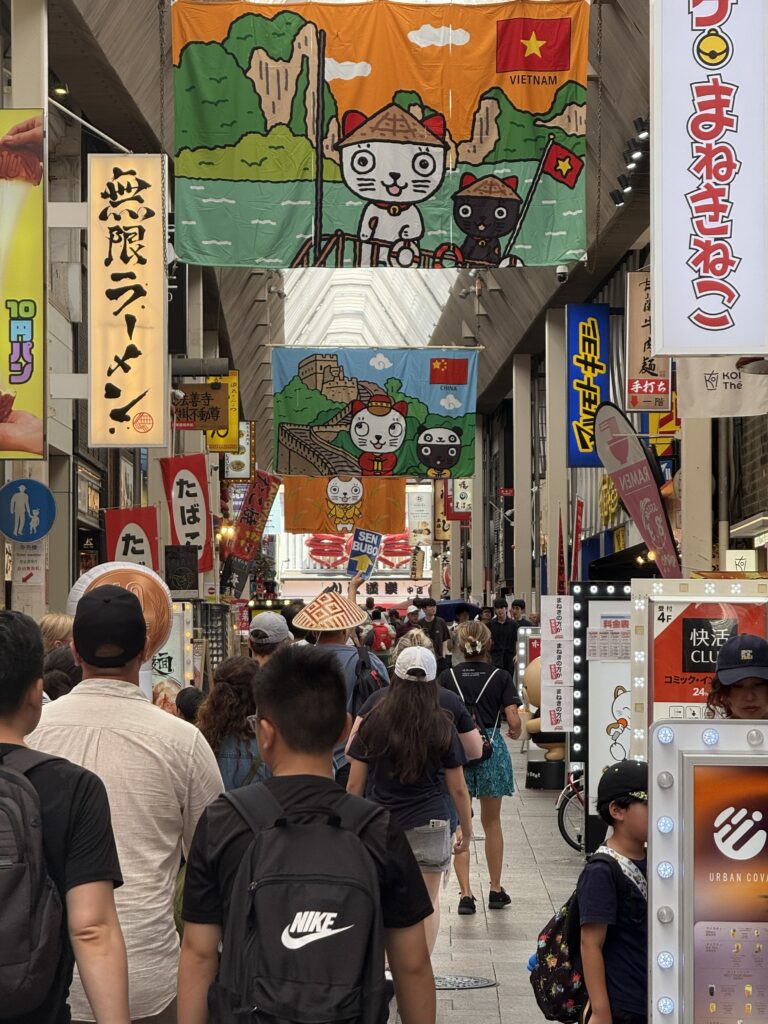
A lively afternoon in Shinsaibashi, Osaka’s popular covered shopping arcade, decorated with international-themed banners.
Frequently Asked Questions: Princess Japan Cruise
Is a Princess Japan Cruise a good choice for first-time international cruisers?
Yes, it’s a great option. The Medallion Class experience simplifies everything from boarding to ordering drinks, and English-speaking staff and signage make navigating the ship easy, even though many passengers are local to Japan.
How many days is the typical Princess Japan Cruise?
Most itineraries, like ours, range from 7–9 days and include 3–5 port stops in Japan and nearby countries like South Korea.
Did you feel out of place as an English-speaking traveler?
Not at all. While many guests were from Japan, the crew is highly international, and announcements and menus were always available in English. It felt immersive, not isolating.
What’s the best time of year to cruise Japan?
Spring and summer offer lush scenery and vibrant port cities, but travelers should be aware of typhoon season, which may result in itinerary changes (like ours).
What happens if weather changes your port itinerary?
Princess handles it well. We were rerouted from Kagoshima to Osaka, and the ship made immigration and excursion changes smoothly. One of our family members even left the ship early to visit friends due to the change.
What are the must-see ports on the Princess Japan Cruise?
We especially loved Nagasaki for its Peace Park and Jeju Island for its scenic tea farms. Each port offers unique cultural and culinary experiences.
What is Princess Plus, and is it worth it?
Yes, especially for longer sailings. It covers gratuities, Wi-Fi, and a beverage package. We found it great value, especially paired with the convenience of the Princess Medallion for ordering drinks and skipping lines.
Can you combine a Princess Japan Cruise with a Japan land tour?
Absolutely. We ended our cruise with a self-planned tour through the Japanese Alps, Kyoto, Tokyo, and a trip-ending theme park adventure at Tokyo Disney, proving that cruise + land is the best of both worlds.